24.02.2026
In this article, we will share everything you need to know so that you can prune your pistachios like a professional.
From topping and formation to rejuvenation pruning, you will discover how to create a productive, healthy, and vigorous tree.
Before we begin, it's worth clarifying that this article will focus exclusively on what is known as traditional pruning, vase pruning, or Aragonese pruning.
Without further ado, let's get started!
Pistachio pruning improves its health and production, increasing the profitability of this crop. Here are some advantages of pistachio pruning:
Increase in production: Pistachio pruning facilitates the entry of light into the tree and improves the distribution of buds, helping the tree produce fruits in greater quantity and quality.
Control of growth: Pruning allows you to adjust the size of the tree as desired, facilitating agricultural tasks and reducing costs in the process.
Improves ventilation: Pruning pistachios ensures that air flows more easily through the interior of the crown, preventing fungal infections.
Prevents overproduction of wood: Pruning pistachios prevents the creation of large lignified structures that consume the tree's energy and reduce fruit production.
Improves health: During pruning, weak and sick branches are removed. This allows the tree's energy to focus on the healthy branches, creating a long-lived and robust tree.
Topping is the first cut made on the plant and serves to cut vertical growth and encourage it to start branching.
This can be done at any time of the year, but it is advisable to do it when the plant reaches the desired formation height. Our recommendation is 1.10m.
Topping can be done at any time of the year. The best time is in winter. We recommend doing it at 1.10 meters in height.
The best time to prune pistachios is in winter when the tree is in a vegetative rest.
During this time, sap movement is minimal within the tree's branches, and the cuts made do not weaken the plant.
This is the time of year when the greatest amount of wood is removed, as it is the only time of year it can be done without harming the tree.
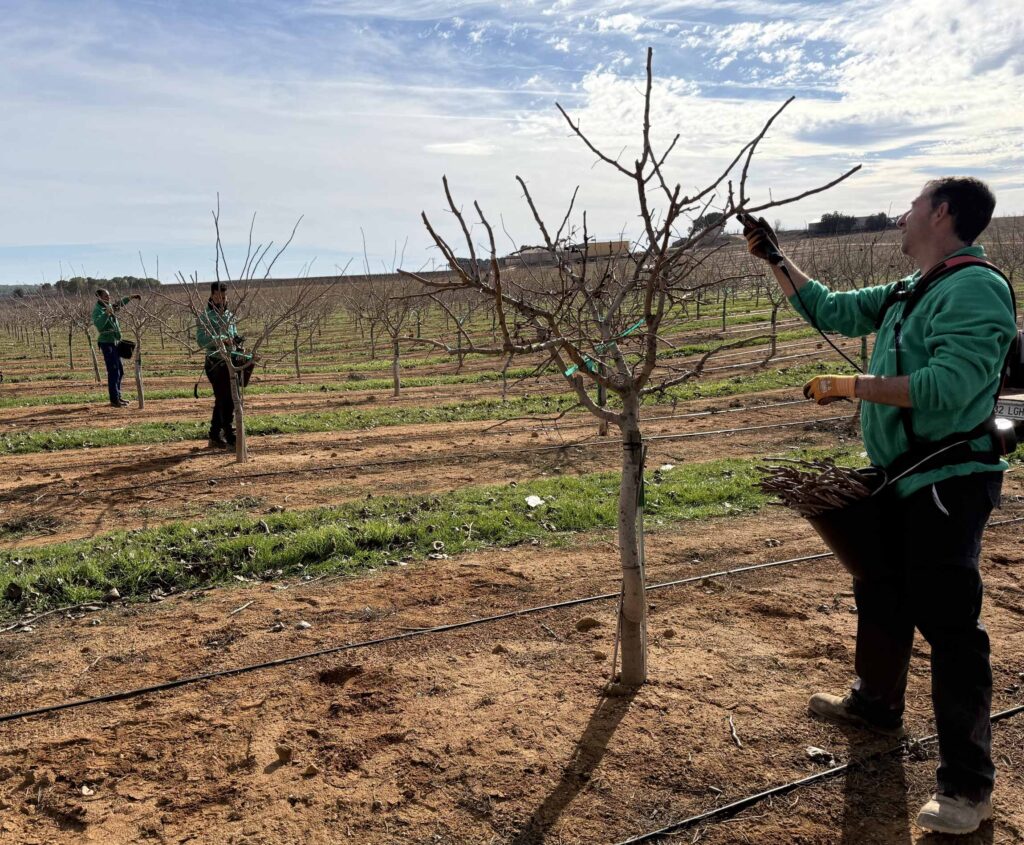
The bulk of the pruning is always done in winter, when the tree does not suffer from the cuts.
Another good time to prune is at the end of spring or early summer, before the hot months begin.
At this time, what is known as green pruning is done, and the goal is to eliminate poorly located shoots or branches before they grow. This pruning is much lighter than winter pruning and can never replace it.
Green pruning should be done before the heat season in summer begins.
Pistachio trees grow in growth phases, which vary depending on water availability and ambient temperature. Generally, the pistachio has between 1 and 3 growth phases, with one or two being the most common.
Whenever a cut is made, it should be done at a safe distance from the ring. Otherwise, a topping would occur in the branch, resulting in numerous new small and weak branches.
The rings also indicate the age of the branches and reflect the tree's growth during each specific growth cycle.
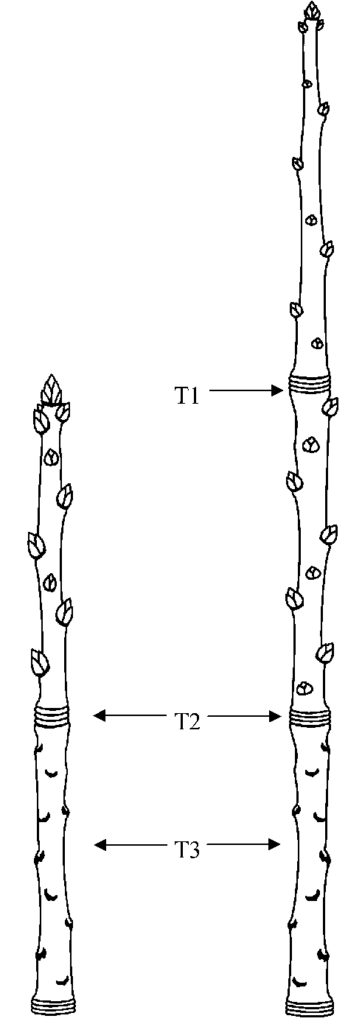
The branches of the pistachio grow in phases. Each phase of growth draws a ring on the branch. You should never prune directly above the growth ring.
There are two types of buds on pistachios: flower buds and wood buds. Flower buds will produce the flowers that then produce the pistachio. Wood buds will produce branches.
Flower buds grow closer to the trunk, and they are larger and rounder. Wood buds are small and claw-shaped. Wood buds are flatter than flower buds.
During pistachio pruning, you must always leave 2 leaf buds per branch to ensure it can grow and avoid drying out.
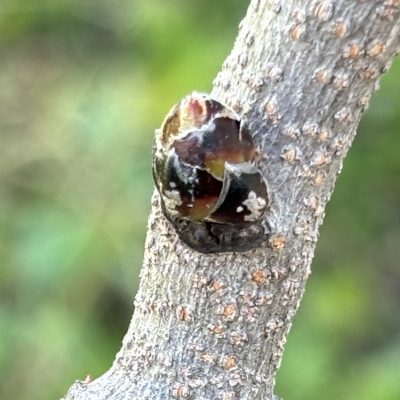
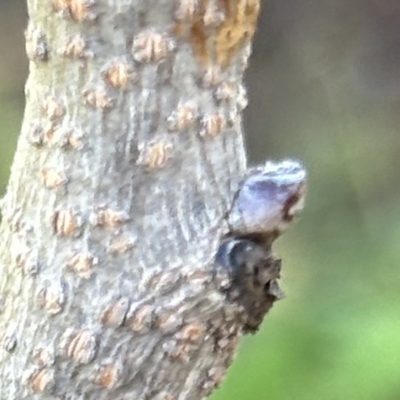
On the left, a flower bud. On the right, a wood bud.
Functionally explained, the lignification of wood is its hardening.
As the years go by, trees harden their older branches to make them more resistant.
The degree of lignification indicates the age of a branch; the greener and softer it is, the younger the branch.
If you want to learn more about lignification of wood in woody crops, click here.
The cut during pruning should be made at a 45° angle relative to a normal cross-cut.
This is to facilitate the drainage of accumulated water in the cuts and prevent the proliferation of fungi.

In red, a bad cut made at 90º, very close to the growth ring and leaving no wood buds. In green, a good cut, made at 45º, at a safe distance from the ring and leaving 2 wood buds below.
Pistachio pruning should be adjusted based on the age of the tree. Thus, three types of pruning are distinguished based on age:
This style of pruning is maintained during the first 4 years of the plant's life.
The goal of the pruning is to create a solid structure that will shape the tree and support its future growth.
First, the trunk of the plant should be allowed to grow until it reaches a height slightly above 1.10 meters. At that moment, the central branch should be cut at 1.10 meters in height so that the tree begins to sprout, and we can shape its crown.
27.08.2026
4.08.2026
1.07.2026
18.05.2026