The tree that is revolutionizing pistachio cultivation

We produce the most productive varieties and that best adapted to the Spanish climate: Kerman, Sirora, Larnaka, Golden and Lost
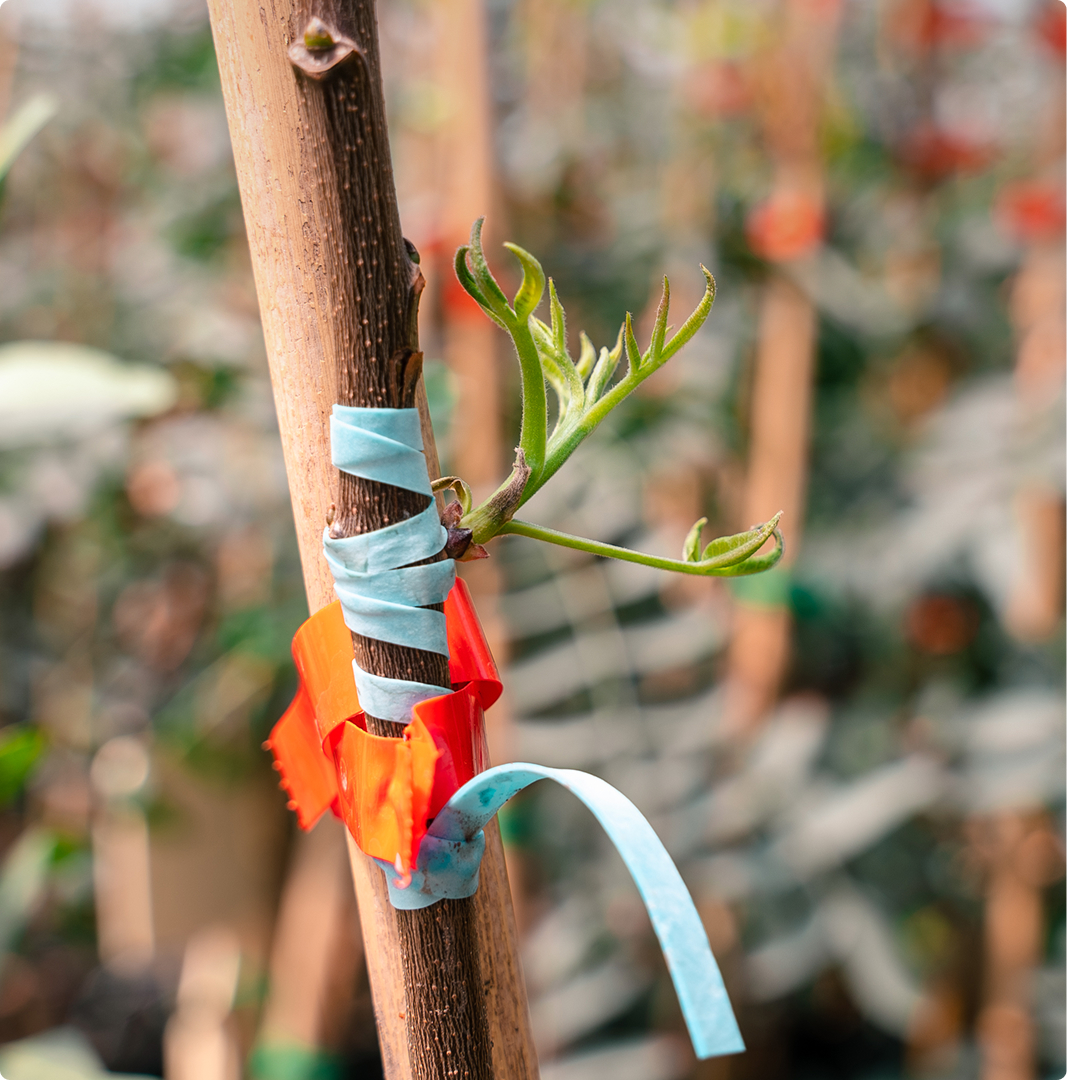
A graft that never fails. Carried out in the nursery by professionals, the graft has a survival rate greater than 99,9% on field
Resistant to drought, fungal diseases and adapted to intensive environments thanks to the UCB#1 rootstock
Early entry into production thanks to its high degree of development
Ready to plant at any time of the year thanks to its pot format
Although we have sold over a million plants, at Agróptimum we work every day to offer higher-quality plants.
Our seeds are selected individually and only begin to germinate when they are at their optimal stage. Germination takes place in individual pots in a controlled temperature and humidity environment, which promotes early and vigorous development. Once the plant has reached the appropriate height, it is transplanted into a 5L vertical pot to promote proper root development.
The pots feature an individual fertigation system that allows individual plant nutrition monitoring. This system ensures proper nutrition for each plant without wasting any input.
Once the root system is fully developed, the graft is performed, always at a minimum height of 45 cm, which helps prevent fungal infections due to the proximity of the graft to the soil. The graft is performed following a careful technique that guarantees a survival rate of over 95%, allowing the productive variety and the rootstock to develop simultaneously.
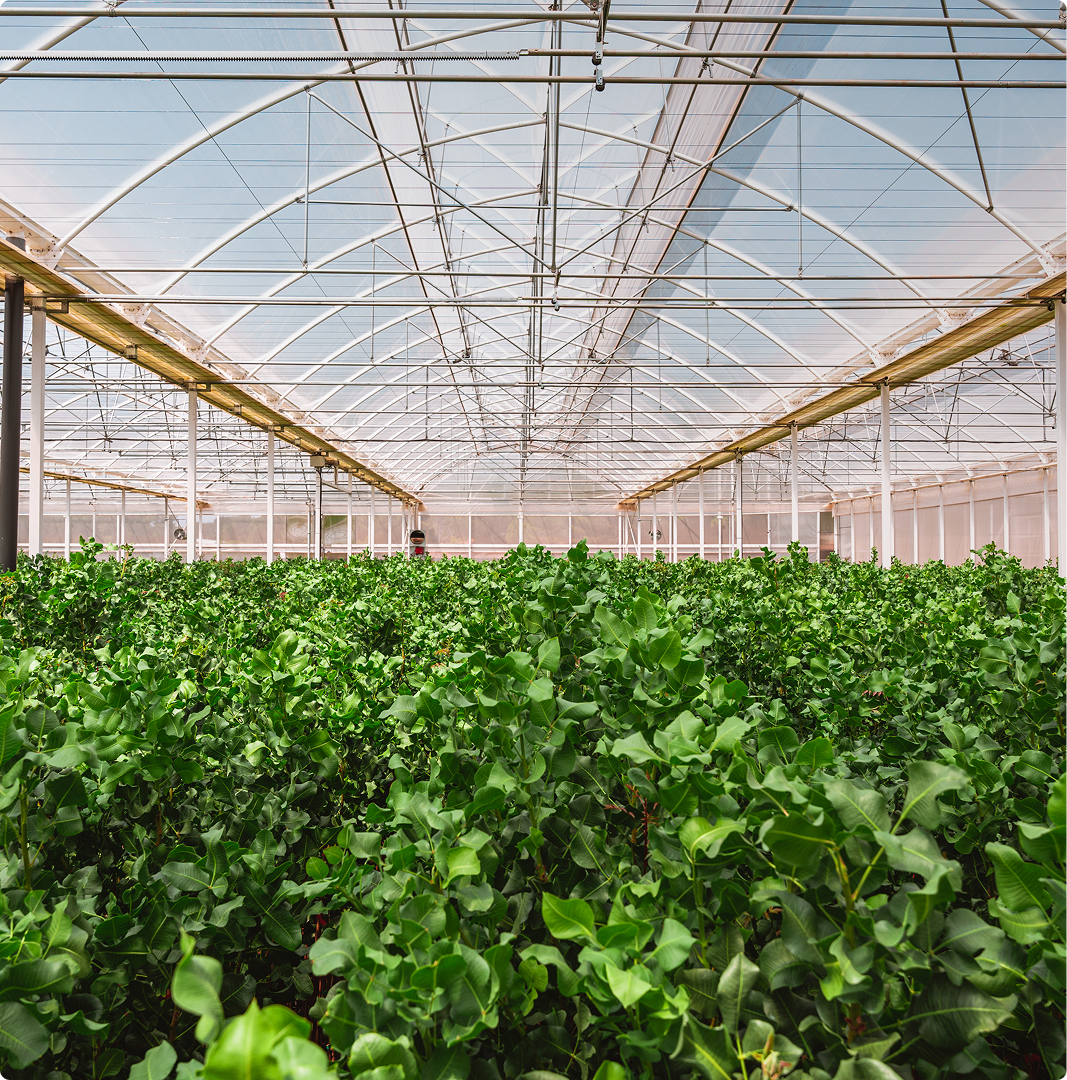
Finally, the plants continue to grow in a controlled environment of temperature, humidity, and individual nutrition until they reach the necessary height to be transported to the field. At that point, they are allowed to acclimatize outdoors for several months to adapt to the climate in which they will spend the rest of their lives.

Temperature and humidity are adapted to the needs of the plant at each stage of growth.
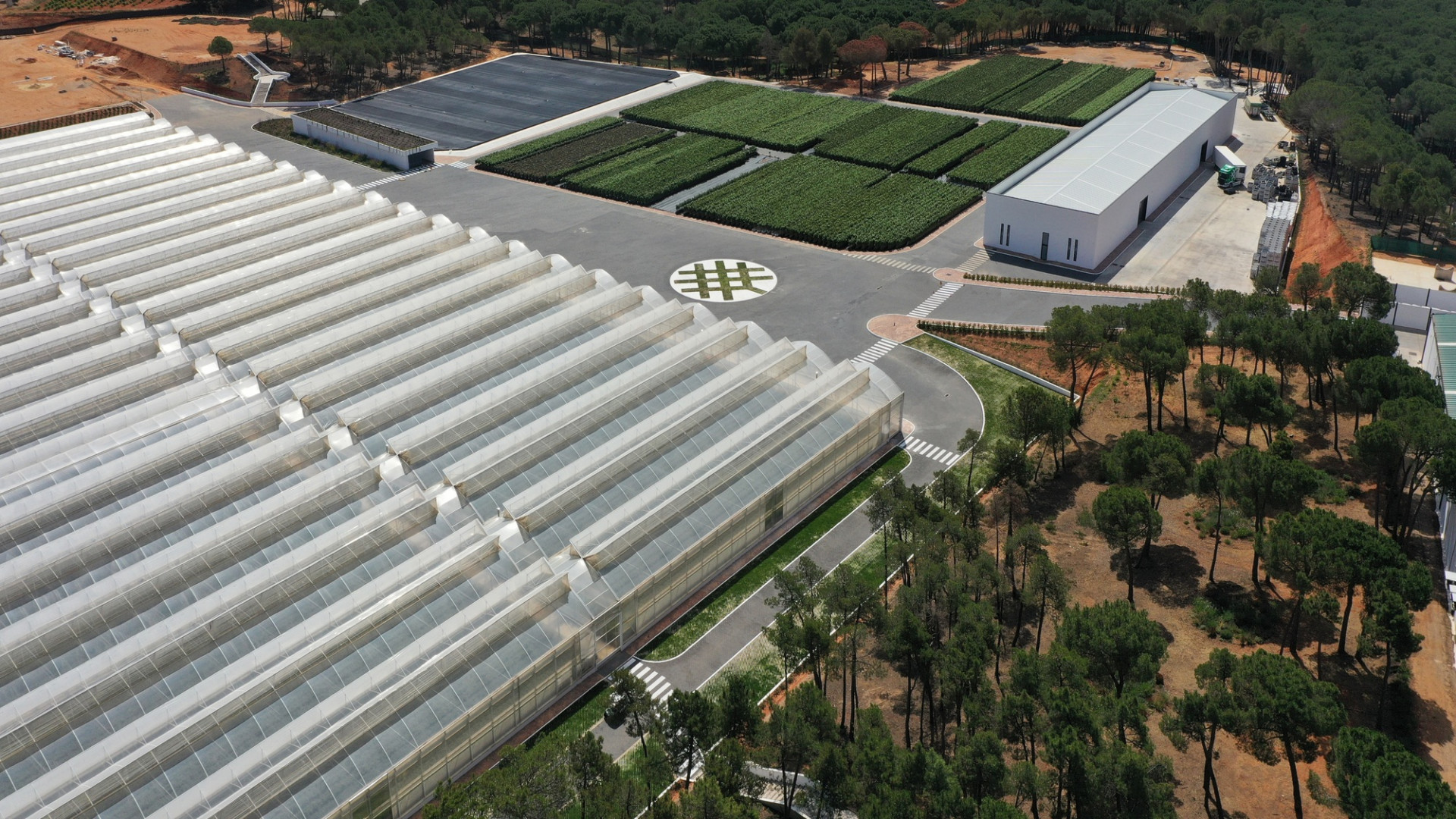
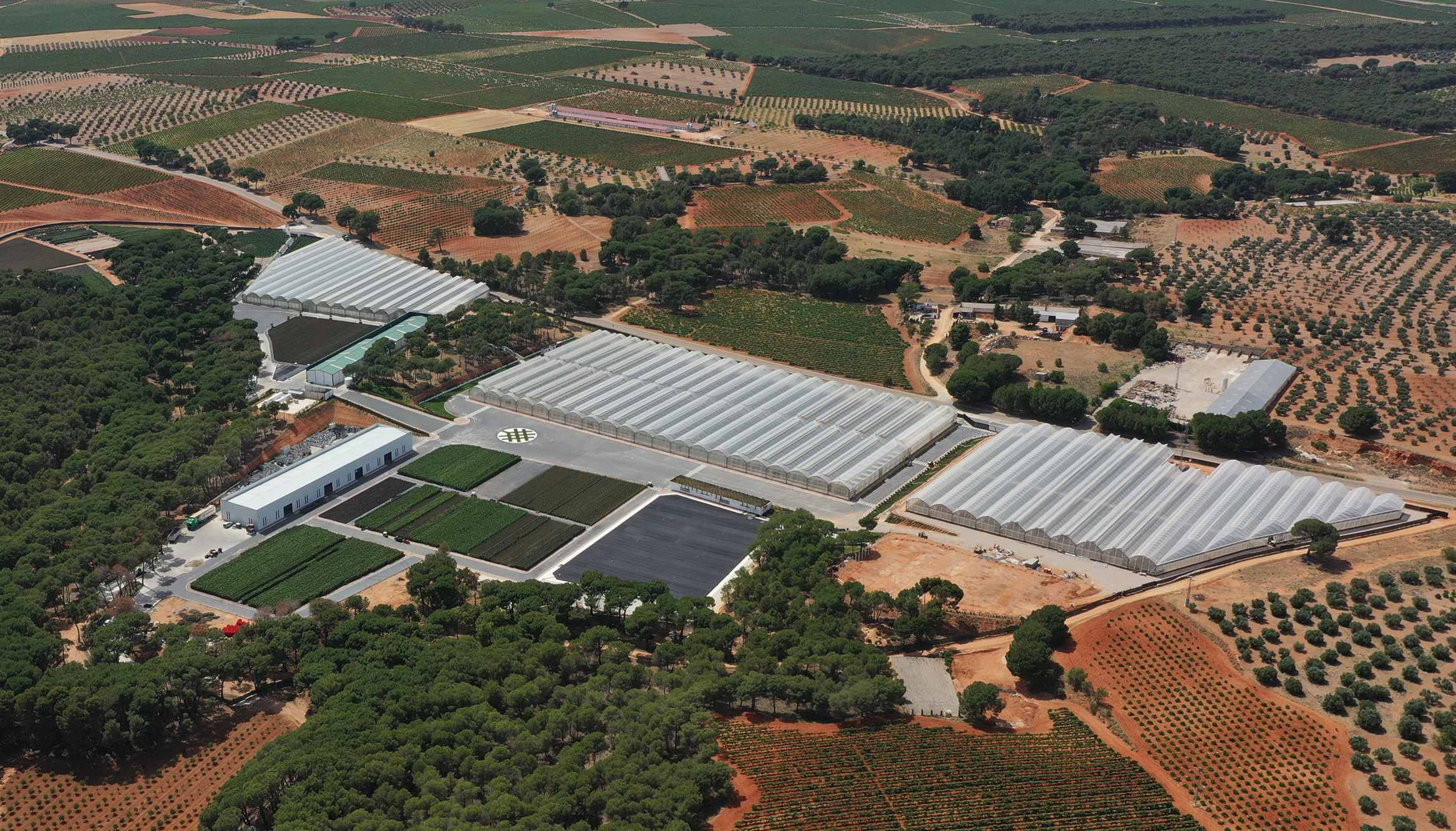
We are the largest pistachio nursery in Europe. With a production capacity of one million plants per year and more than 75.000 m² of highly technological nurseries, we are the best pistachio plant producer in the country.
Quality is our primary concern when producing plants, and this is reflected throughout the entire production process. Starting with the seed, we use the UCB#1 rootstock, which we grow only from seeds certified by the University of California, Davis. This rootstock is the most resistant to salinity, disease, and drought.
Our production techniques guarantee homogeneity and stability from the germination process, which is reflected in each grafted plant.
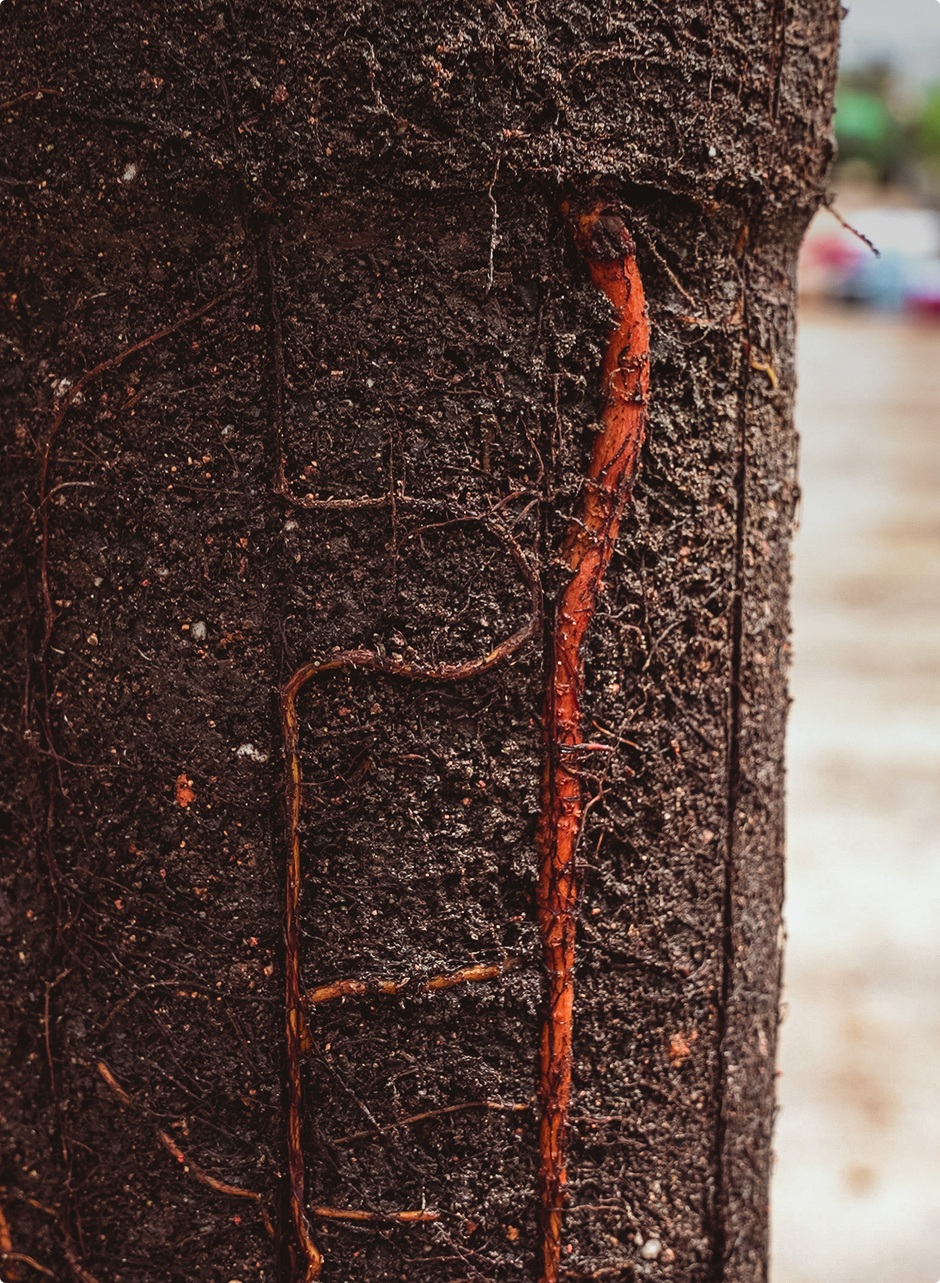
The roots are one of the most important parts of pistachio plants. They're like the engine of a car. Even if you don't see it every day, it's the element that guarantees the power of your plantation. At Agróptimum, we've invested more than five years in developing a vertical root system that maximizes the yield of your plants when they're in the field.
A vigorous, vertical root system allows the plant's roots to burrow deeper as they grow. This greater depth ensures greater resistance to drought, as the root is closer to water; and to the stress exerted by harvesting machinery on the pistachio tree, as it is more firmly anchored to the ground.
The roots of a pistachio plant are like a person's mouth; they are where the plant eats. A developed root system facilitates the absorption of nutrients by pistachio plants, allowing the plant to absorb more nutrients from the soil in the same amount of soil without the need for additional fertilizers.
If, in addition to a pistachio plant with vertical root development, deep subsoiling is carried out, as we always recommend at Agróptimum, it is possible to use a more intensive planting frame without investing a greater amount of inputs.
Subsoiling the soil breaks up the sedimentary plates that prevent plant roots from growing downward. This, combined with the vertical tendency of the UCB#1 rootstock and the development of a vertical root system from the nursery, allows for narrower planting frames without plants competing with each other. This translates into higher yields per hectare without the need to invest in additional inputs.

From field grafting to nursery grafting
Traditionally, pistachio plants have been grafted directly in the field. To do this, the rootstock, usually Cornicabra, was first grown, onto which the productive variety was grafted.
The result of this method was a survival rate of less than 60% and a completely uneven plantation, as some grafts died and had to be replanted, while others continued to grow. All of this made mechanization and profitability extremely difficult.
For this reason, in our nursery we only produce grafted pistachio plants. These plants have a growth rate graft survival greater than 99,9% when they are taken to the field, which guarantees a homogeneous and easily mechanized plantation.
Another advantage of working with grafted pistachio plants is that it significantly accelerates their entry into production. The field grafting technique means that pistachio plants need 10 years to bear their first fruit. A high-quality nursery-grafted plant like ours can do so in 4 years without any problems.
The advantages of the UCB#1 rootstock
The UCB#1 rootstock has established itself as a leading option in pistachio cultivation, offering multiple advantages that contribute to the profitability and sustainability of agricultural production.
This rootstock is recognized for its high disease resistance and its ability to adapt to a wide variety of soil and climatic conditions. It also promotes vigorous growth and improves nutrient uptake, resulting in higher yields and fruit quality. Its tolerance to water stress and salinity makes it a key tool for addressing adverse conditions, ensuring more robust and productive crops.
With the UCB#1 rootstock, farmers can optimize their investments and ensure the long-term viability of their plantations.
At Agróptimum, the production process at our pistachio nursery is a testament to excellence and a commitment to quality and sustainability. From rigorous rootstock selection to propagation and post-grafting monitoring, every step is designed to ensure robust, high-yielding plants.
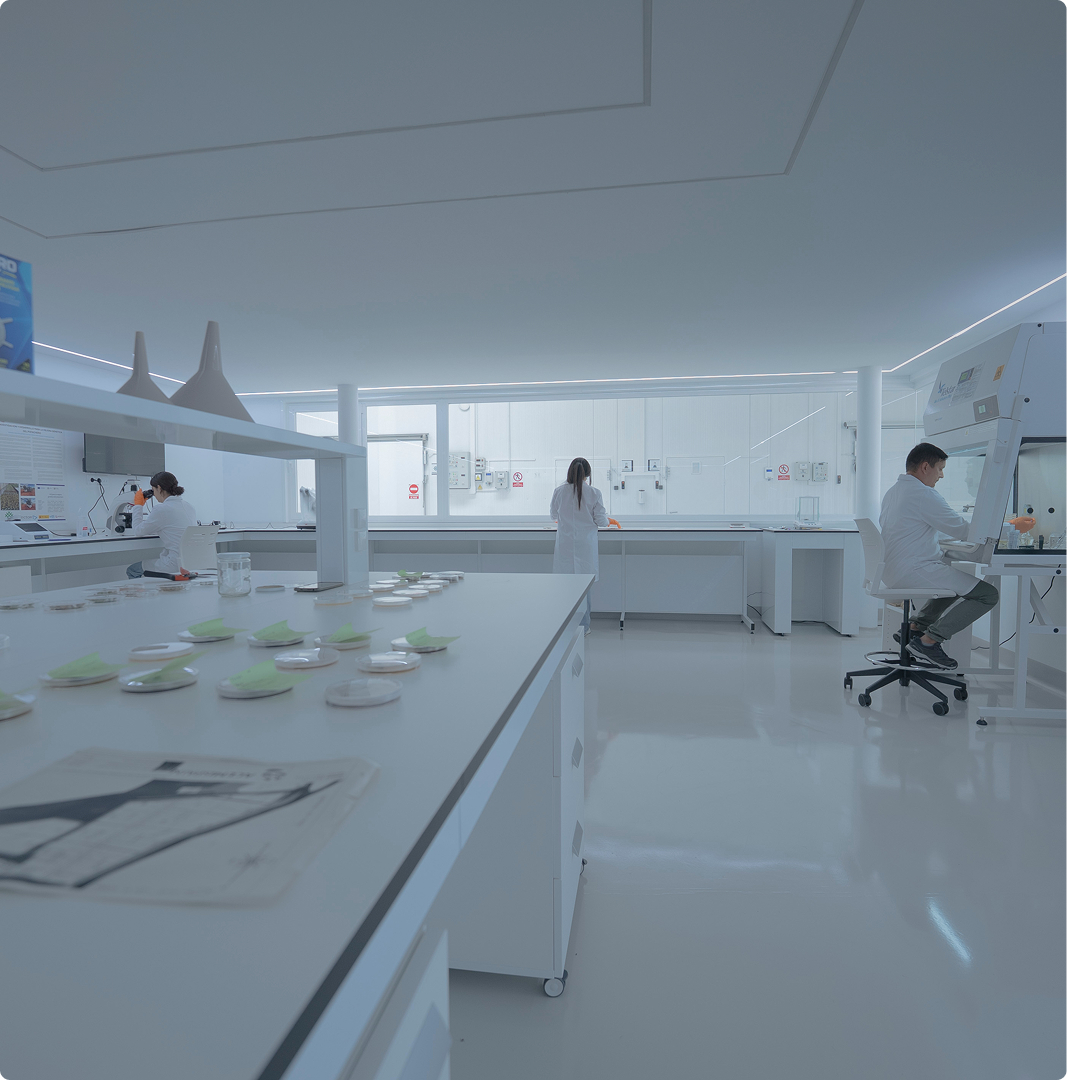
The process begins with the selection of certified plant material and the preparation of optimal conditions in controlled greenhouses. We employ advanced propagation and grafting techniques that ensure the uniformity and resilience of each plant. Throughout the development process, we constantly monitor the plants using monitoring systems that allow us to adjust critical parameters such as humidity and temperature, ensuring uniform and healthy growth.
Each plant undergoes rigorous quality controls before being transported to the field, ensuring it meets the required standards to maximize the yield and profitability of future crops. At Agróptimum, we are committed to innovation and continuous improvement at every stage of the process, offering our clients top-quality pistachio plants and a comprehensive solution for the success of their agricultural projects.
All plants are grown in insulated pots, from seed to field. This allows us to precisely and individually control their nutrition.
Unlike bare-root plantings, potted plantings are available year-round and allow for a much wider growing season. Furthermore, this planting format is much less stressful for the plant during transplant from the nursery to the field, facilitating its adaptation and development.
Finally, this format streamlines the nursery's operational efficiency and allows for preparing a shipment of plants in record time.
We work with individual pots for each plant
At Agróptimum, we distinguish ourselves as the leading pistachio nursery, committed to excellence at every stage of the production process. Choosing us means investing in quality, innovation, and sustainability.
Below are the top reasons to choose us as your pistachio nursery:
From seed selection to the rigorous monitoring of each plant, we guarantee robust and healthy products, adapted to field conditions.
We employ new technologies at every stage of production, ensuring efficient agricultural production and optimal plant growth.
We implement sustainable practices that minimize environmental impact and promote the rational use of resources, contributing to the sustainability of the agricultural sector.
Our team of experts is at your side, offering personalized advice and comprehensive solutions that ensure the success of your project from the first plant to final production.
With Agróptimum, you invest in a profitable and sustainable agricultural future, backed by innovation and a commitment to our customers' success.
If you'd like to purchase grafted pistachio plants, you can call or email us at the number below and our team will assist you immediately. We ship nationwide, including Ceuta, Melilla, and the islands.
If you're looking to purchase a large quantity of pistachio plants, you can contact us directly by phone or use the contact form to schedule a visit to our facilities so you can see firsthand everything we can offer.
If you still have questions, here's a list of the most frequently asked questions our customers ask when they want to buy pistachio plants:
Purchasing quality plants guarantees that the plant material meets high production and health standards. The plant passport is an official document that certifies the plant's health status, facilitating traceability and ensuring the absence of pests or diseases.
The UCB#1 rootstock is widely recognized for its high disease resistance, adaptation to diverse soils and climatic conditions, and for promoting vigorous growth that translates into better yields.
The choice depends on the conditions in your area. The variety Kerman It is the most widespread and high quality, but others may also be suitable, such as Larnaka o Sirora, depending on the climate and production objectives.
Yes, it is essential to have male plants for pollination. It is generally recommended a ratio of 1 male for every 8 to 10 females, which ensures efficient pollination and good crop yield.
Potted plants offer greater security during transplanting and allow year-round transplanting, ensuring their success. Bare-root plants, on the other hand, may have been damaged during uprooting and may carry diseases present in the soil in which they were grown.
Ideally, you should purchase young plants with a developed root system to ensure proper adaptation and establishment in the field.
It is recommended to reserve plants 12 months in advance to ensure availability and to properly plan the implementation of the crop.
The most common time to plant pistachios is between October and January, when the plant is in a dormant stage. If the pistachio plant you're growing is potted, you can grow it practically year-round. However, if it's a bare-root plant, you can only do so between October and January; otherwise, it would be very stressful for the plant, and it could die within a few weeks.
Yes, we offer shipping services. We use special packaging and shipping protocols to ensure the plants remain in optimal condition during transport and arrive undamaged.
We offer a quality guarantee that covers establishment problems or "failures." If a plant isn't established correctly, we offer replacement or technical assistance to resolve the situation.
Yes, at Agróptimum we provide comprehensive technical advice, supporting our clients from the initial planting to post-transplant care, to ensure the success of each crop.
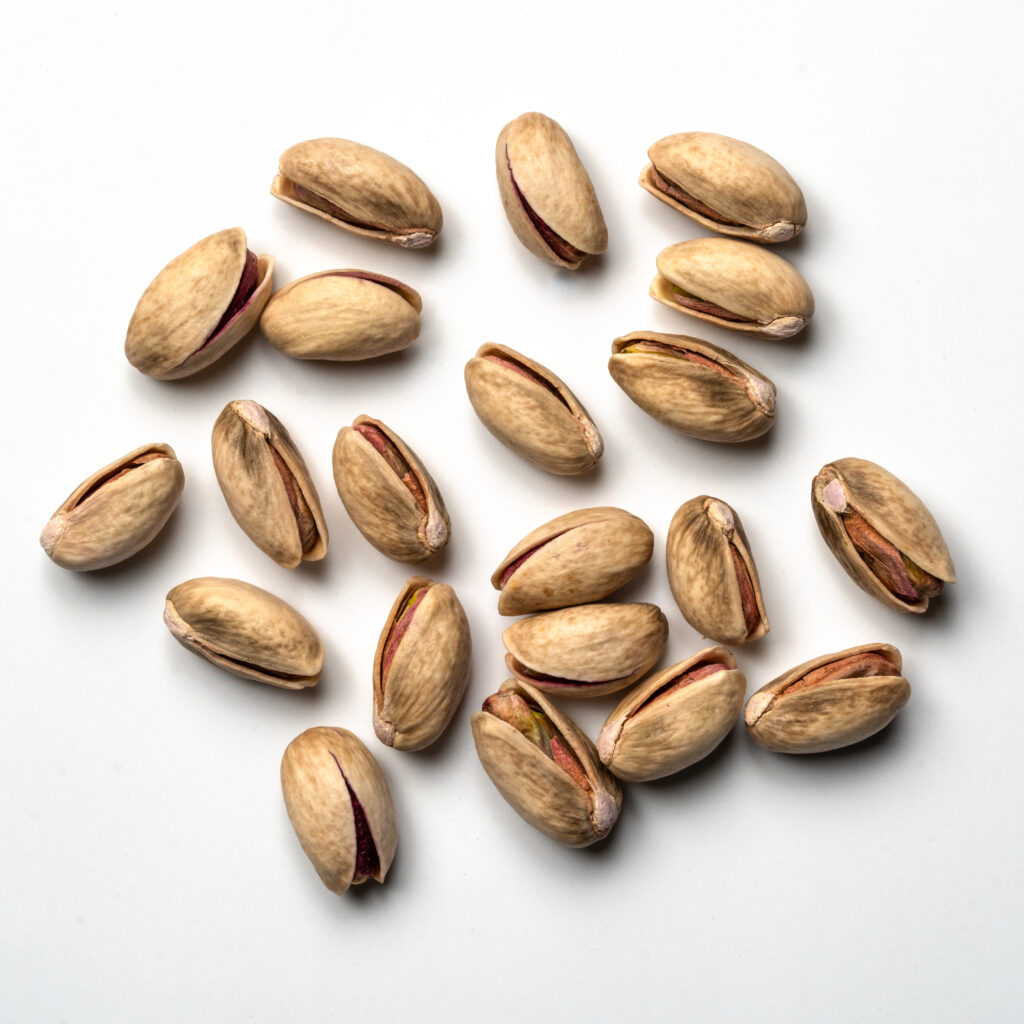
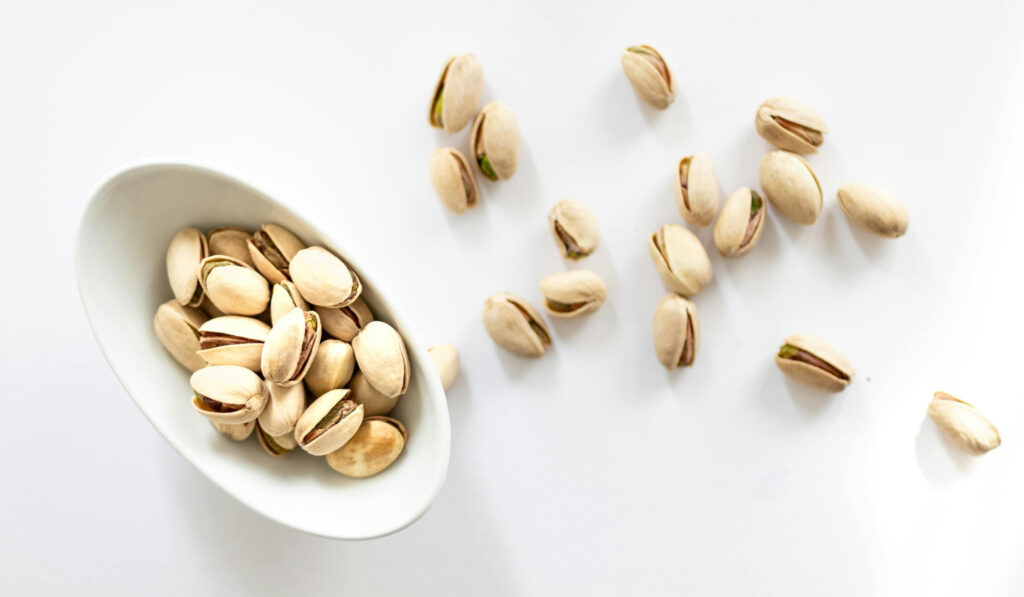
Many factors depend on this, but to give you a general idea, an irrigated pistachio tree in full production produces between 7,5 and 9,5 kg of dry pistachios. This figure can be even higher if you plan and manage your farm's soil properly before planting the plants.
Traditionally, a pistachio tree has taken 7 to 8 years to begin producing. With our system, we've managed to shorten the production period to the third year.
You can purchase by phone or through the contact form. If you're looking to purchase a large quantity of plants, you can do so in the same way, although we recommend filling out the contact form so we can get to know you and show you what makes us unique.