13.06.2025
Pistachio Sirora, everything you need to know
The Sirora pistachio variety has gained popularity among Spanish farmers due to its precocity, high percentage of open fruits, and adaptability to different growing conditions. Native to Australia, this variety presents an interesting option for those seeking an early entry into production and attractive profitability in the cultivation of nuts.
The Sirora variety has become the most cultivated in Spain in recent years due to its precocity and the whiteness of its fruits.
Developed by CSIRO in Australia, the Sirora variety is the result of a selection from plants obtained through open pollination of the Red Aleppo variety. Its introduction in Spain has been recent, with plantations not exceeding 15 years, which implies that its long-term behaviors under the climatic and edaphological conditions of the Iberian Peninsula are still being evaluated.
If you want to know more about Golden or Lost Hills, click here!
The Sirora pistachio tree is characterized by medium-high vigor, especially during its early years, which facilitates earlier entry into production. However, it has a branch structure that can complicate pruning tasks, especially on rootstocks like cornicabra, where branches tend to fall. Furthermore, there has been observed susceptibility to foliar cryptogamic diseases, especially under conditions of high humidity or after adverse climatic events like hailstorms. These are the technical specifications of Sirora:
 Growth habit: Open
Branching tendency: High
Entry into production: Early
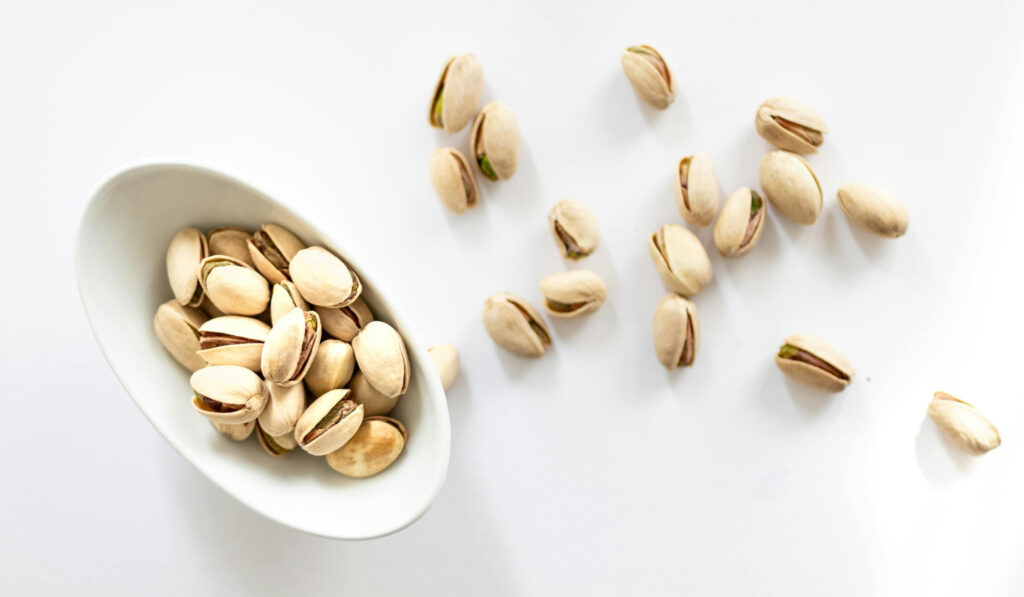
The fruit of the Sirora variety is medium to large in size, with an elongated-round shape and a shell of medium hardness. It stands out for its high percentage of open fruits, reaching up to 95%, which exceeds other varieties like Kerman. The kernel presents an attractive green color and a delicate flavor, suitable for both direct consumption and food industry uses.

The fruit of Sirora is somewhat more elongated than usual and has a very white shell.
These are the technical characteristics of the Sirora pistachio:
Size: Medium
Caliber: 17 - 19 pistachios per ounce
Shell: Very white and smooth
Kernel color: Green
Percentage of open fruits: 95 %
Percentage of closed fruits: 1 %
Percentage of empty fruits: 4 %
The Sirora variety requires a continental climate, with cold winters providing the necessary chilling hours for adequate flowering and hot summers favoring fruit ripening. It is important to avoid areas with high relative humidity during the summer months, as this can increase the incidence of fungal diseases.
It prefers well-drained soils with good aeration and slightly alkaline. It is tolerant to soils with some salinity and adapts well to both dryland and irrigated lands. However, it is essential to avoid poorly drained soils or those prone to waterlogging, as this can negatively affect tree development and fruit quality.
Minimum chilling hours requirement: 650
Recommended chilling hours: 900
Heat hours requirement: > 3,000
Flowering date: Third week of April
Harvest date: Second week of September
In optimal conditions, a Sirora pistachio tree can produce between 5 and 10 kilos of fruit in dryland, and up to 3,000-3,500 kilos per hectare in irrigated conditions. However, it is important to consider potential alternate bearing and adjust management practices to mitigate this effect.

Besides being precocious, the Sirora variety is highly productive.
The Sirora pistachio is highly demanded by the food industry due to its high percentage of open fruits and its attractive green color. Its main use is in the production of processed products, where content and color are valued more than the opening of the fruit. However, its better size compared to other varieties may limit its acceptance in certain direct consumption markets.
The Sirora pistachio variety presents itself as an interesting option for farmers looking for an early entry into production and high profitability in nut cultivation. However, it is essential to consider its specific requirements and potential challenges, such as susceptibility to diseases and alternate bearing, to ensure long-term success in cultivation.

14.10.2026
9.10.2026
7.10.2026
1.07.2026