
11.05.2026
The main factor that determines the price of a pistachio tree is its production cost. Each nursery uses a specific set of techniques and products, which results in a higher or lower cost.
The main factors that influence production costs are:
All these elements depend on the structure of each nursery and are unique to each one.
In addition to this list, there are other factors that also have a considerable impact on the price of a pistachio tree. We explain them below.
Buying a grafted pistachio tree or an ungrafted one has a significant impact on its production cost and, therefore, on its sale price.
To produce a grafted tree, an ungrafted pistachio seedling must first be grown. Then, the graft must be carried out on the seedling, and the grafted tree must sprout and grow until it reaches the desired height.
In pistachio production, a cultivar such as Kerman or Sirora, belonging to the Pistacia vera species, is always grafted. Pistacia vera grows more slowly than most rootstocks, which increases the time required before the tree can be sold and raises its production cost.
Although buying an ungrafted tree may seem cheaper, it involves several hidden costs in the long run. Ungrafted trees are not productive, so they must be grafted in the field. Field grafting requires hiring an experienced grafter, and there is always a graft failure risk of between 20% and 50%. This makes it more difficult to achieve a uniform plantation and ensure its proper development.
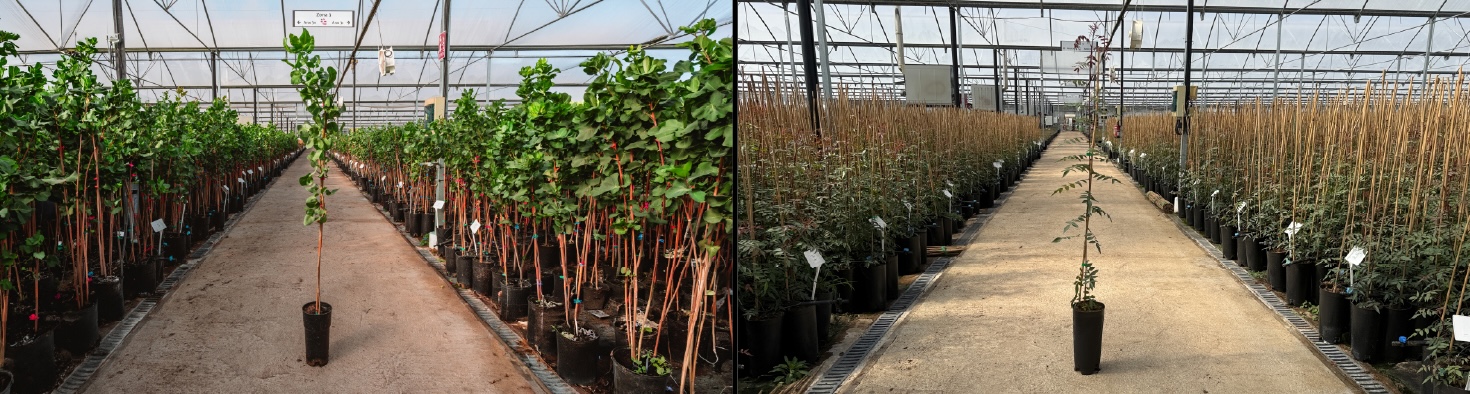
Another factor that significantly affects the production cost of a pistachio tree is the delivery format. There are two production formats: potted trees and bare-root trees.
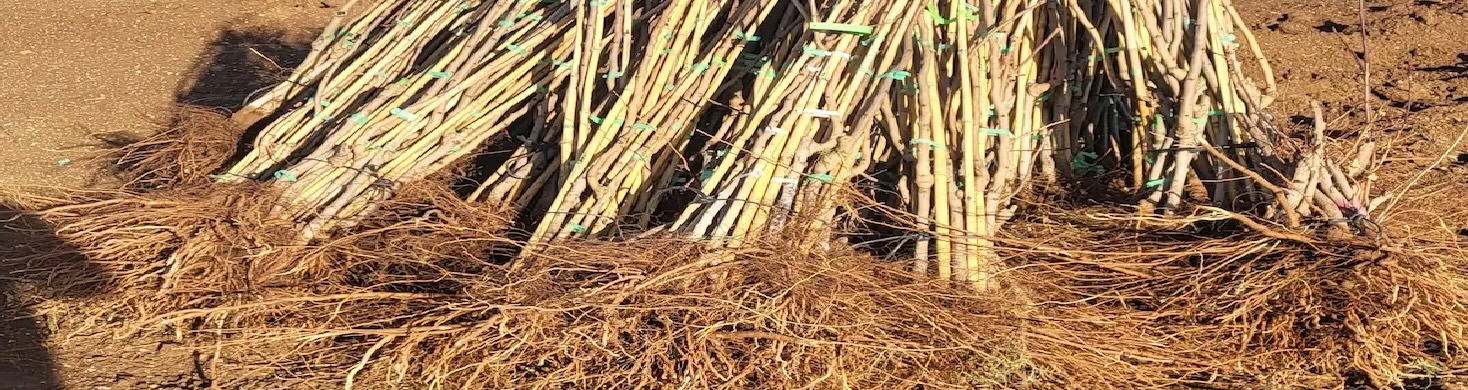
In the bare-root format, the rootstock is grown directly in the nursery soil. It is then grafted and finally lifted from the soil so it can be transported to the field.
In the potted format, the rootstock is grown directly in a pot, where it is later grafted. Because it is grown in a pot, the tree can be transported without any problem.
The potted format is safer because it prevents soil pathogens from infecting the trees and avoids root damage when the plants are lifted from the soil. In addition, the potted format makes it possible to produce a larger tree, as the pot is filled with a special substrate instead of soil. Finally, potted trees can be purchased all year round, whereas bare-root trees can only be purchased when the plant enters winter dormancy.
Because the potted format requires more inputs, such as pots, special substrate and individualised irrigation, it has a higher price than bare-root trees. Potted pistachio trees are of higher quality than bare-root pistachio trees.
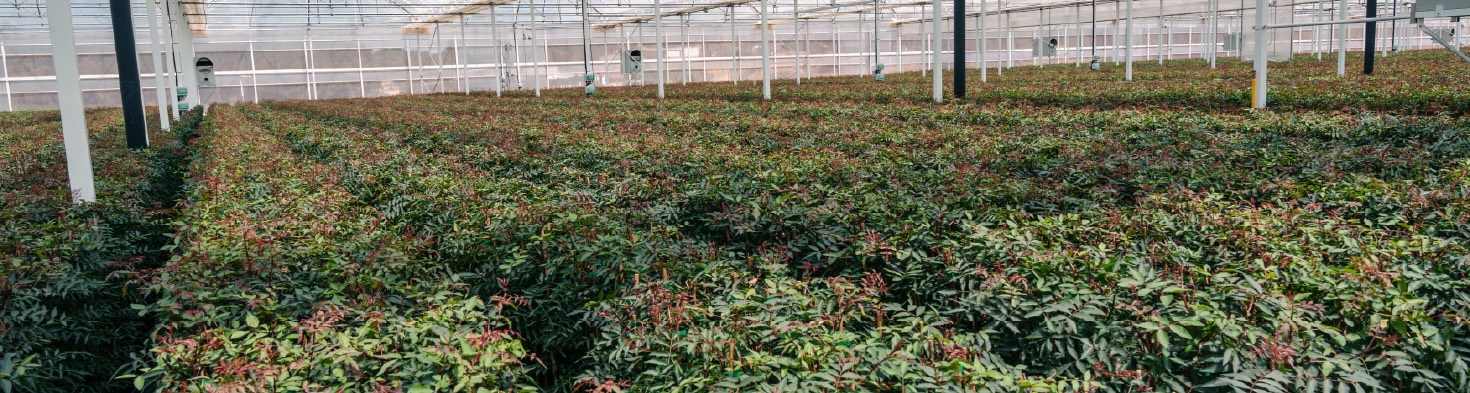
What nurseries commonly refer to as a “variety” is actually what is known in botany as a cultivar. The only species within the Pistacia genus that produces an edible nut is Pistacia vera, and this is the species used by all nurseries. However, within Pistacia vera, there are different cultivars, such as Kerman, Sirora or Larnaka. When a nursery commercially refers to the Kerman variety or the Sirora variety, technically it is referring to the Kerman cultivar.
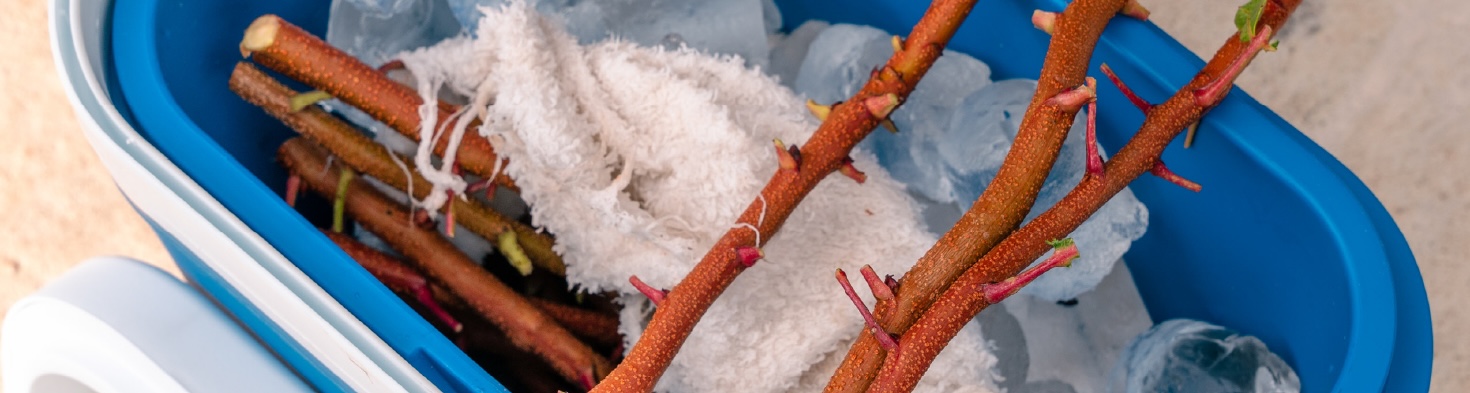
In order to carry out grafting, the nursery needs to have plant material from the cultivar it wants to replicate. The genetic quality of the plant material to be grafted will determine the genetic quality of the grafted tree.
Nurseries obtain plant material in two ways: by producing it themselves from mother trees or by purchasing it from other nurseries. Nurseries that invest in plant material with high genetic quality produce higher-quality grafted trees, but they also face higher production costs.
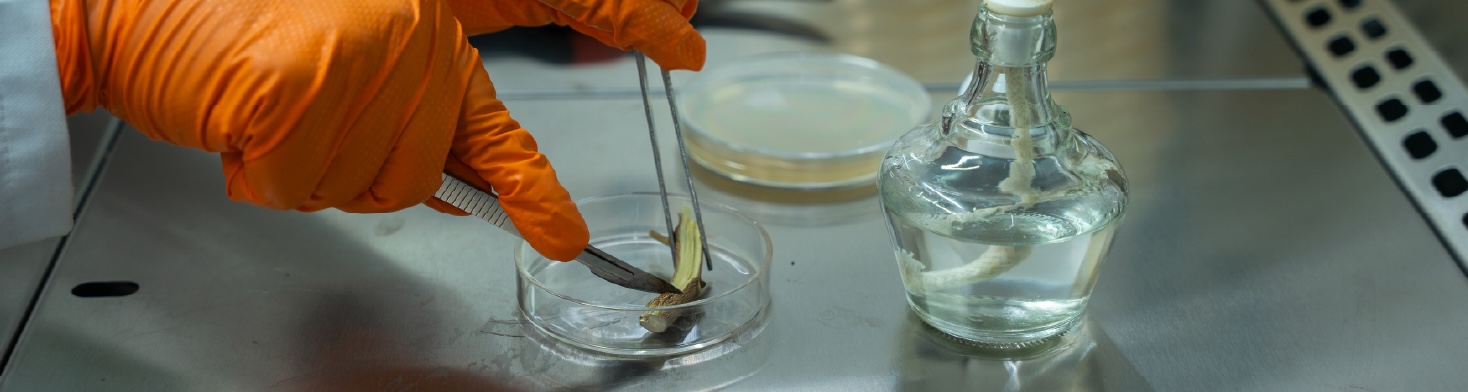
Another factor that significantly affects the price of a pistachio tree is plant health. Each nursery carries out a series of checks to ensure the health of its plants before selling them. Some nurseries carry out very lax controls, while others apply very strict checks.
In the pistachio industry, there are diseases that can only be detected through laboratory analysis or after several years, when the tree begins to die. Throughout the history of this crop, many nurseries have sold diseased plants without knowing that the plants themselves were infected.
Using a diseased plant is very dangerous, as a single tree can infect the rest and compromise the viability of the entire plantation.
Carrying out health checks on the plants involves a higher cost for the nursery and, therefore, a higher sale price. However, it guarantees that the plants to be cultivated are healthy.
Regulations in most countries require very strict health controls when plants enter the country. For this reason, nurseries that export plants abroad are usually the ones that can best guarantee the plant health of their pistachio trees.
To compare the price of pistachio trees, we need to know the average market price for each plant format.
The best method is to request prices from at least three nurseries for each format we are interested in. If we are interested in buying ungrafted trees, bare-root grafted trees and potted grafted trees, we would need to contact at least nine nurseries in total: at least three for each format.
This will give us enough data to calculate an average and determine the market price for each delivery format.
Here is a simple example:
Now we know whether a nursery is charging us above or below the market price.
Finally, each nursery should be visited and the plants should be inspected before basing the decision entirely on price. Some nurseries produce plants at a price above the market average, but with a plant quality that justifies the additional cost. Remember, price is an important factor in the purchasing decision, but it is not the only one!
As experts in the development of pistachio plantations, this is our recommendation when choosing a pistachio nursery:
The main price ranges vary depending on the plant format. They usually fall within the following intervals:
A grafted pistachio tree is more expensive than an ungrafted tree because it has a higher production cost.
It must spend more time in the nursery, the grafting process must be carried out by a specialist, and some grafts may fail in the nursery, causing the plant to be lost in the process. During the time the tree remains in the nursery, it must be watered and fertilised, as well as protected against potential insects and sun damage during the summer months.
Yes, pistachio trees grafted onto UCB#1 and Platinum rootstocks are usually more expensive.
This is because these rootstocks are the result of scientific research and there are ownership rights over their production and commercialisation. In addition, their production process is more expensive than that of other traditional rootstocks.
In general, it is recommended to buy one male tree for every 8–12 female trees, depending on the planting density and the amount of wind on the farm.

14.10.2026
9.10.2026
7.10.2026
1.07.2026