
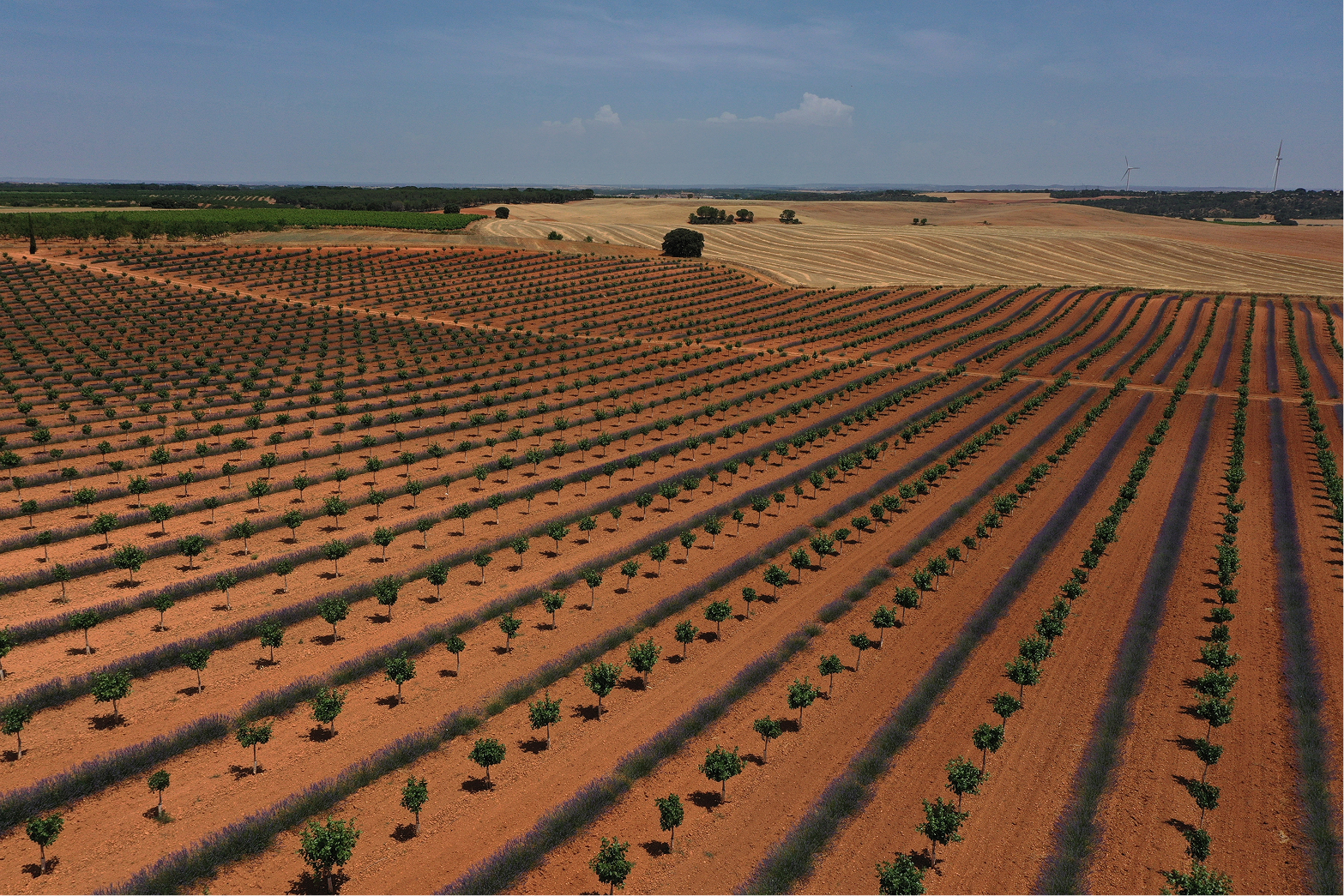
17.05.2026
More and more farmers and new investors see in this nut a solid investment opportunity, with high profitability and a growing international market. But before diving into planting pistachios, it is essential to know the conditions that the tree needs, the most suitable varieties, the type of soil, irrigation, climate, and all the steps to ensure the success of the project.
Before starting a pistachio plantation, the first step is to analyze whether the farm meets the ideal conditions for this crop. Not all regions of Spain are suitable, as the pistachio tree requires a very specific balance between climate, soil, and water.
The pistachio tree needs a climate for planting pistachio of continental type, with cold winters and dry, hot summers. It is a deciduous crop that requires between 600 and 1,000 hours of cold below 7 °C to break dormancy. However, it does not tolerate late frosts in spring well, which can damage flower buds.
With regard to temperatures, it withstands summer temperatures above 35 °C well, which promotes good fruit maturation, provided there is sufficient moisture in the soil and availability of water. The optimal heights are located between 300 and 900 m above sea level.
The pistachio tree adapts to poor, stony soils with some lime content, but does not tolerate waterlogging. The ideal soil is deep, loose, with good drainage, and a pH between 7 and 8.5. The roots of the pistachio are taproots, thus requiring depth to develop properly. An excess of moisture or compaction can cause root asphyxiation and fungal diseases.
Although the pistachio tree can be grown in dryland, the most productive plantations are in irrigation. A well-managed drip irrigation improves production, the size of the fruit, and the final quality. An annual supply of 2,000 to 3,500 m³/ha is recommended, depending on the region, the type of soil, and the variety. The quality of the water is also essential: it should have low salinity to avoid problems with nutrient absorption.
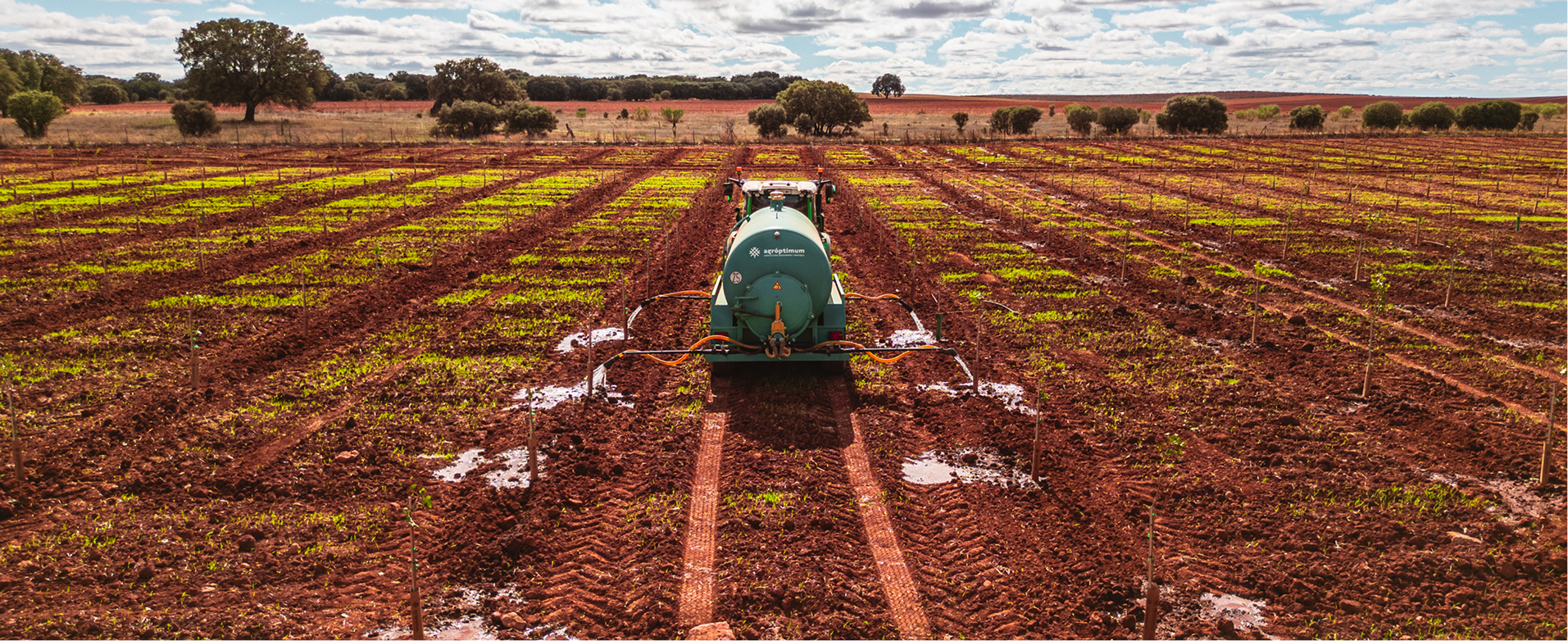
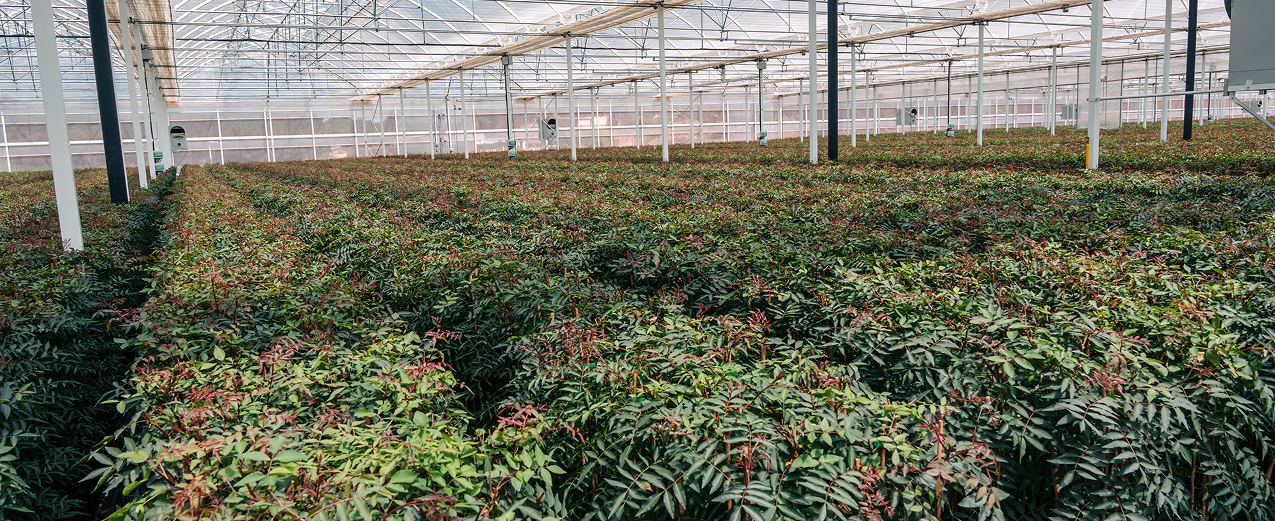
The pistachio tree or pistachio is dioecious, which means there are male and female trees. Only the females produce fruit, while the males provide the necessary pollen for fertilization. Therefore, the proportion and distribution of males are key to ensuring good production.
Among the main pistachio varieties are Kerman, Larnaka, Sirora, Golden Hills, and Lost Hills, each with different climatic and productive requirements.
The rootstock determines the soil adaptation, vigor, and disease resistance.
The layout of the farm is essential for achieving a balanced and productive pistachio plantation.
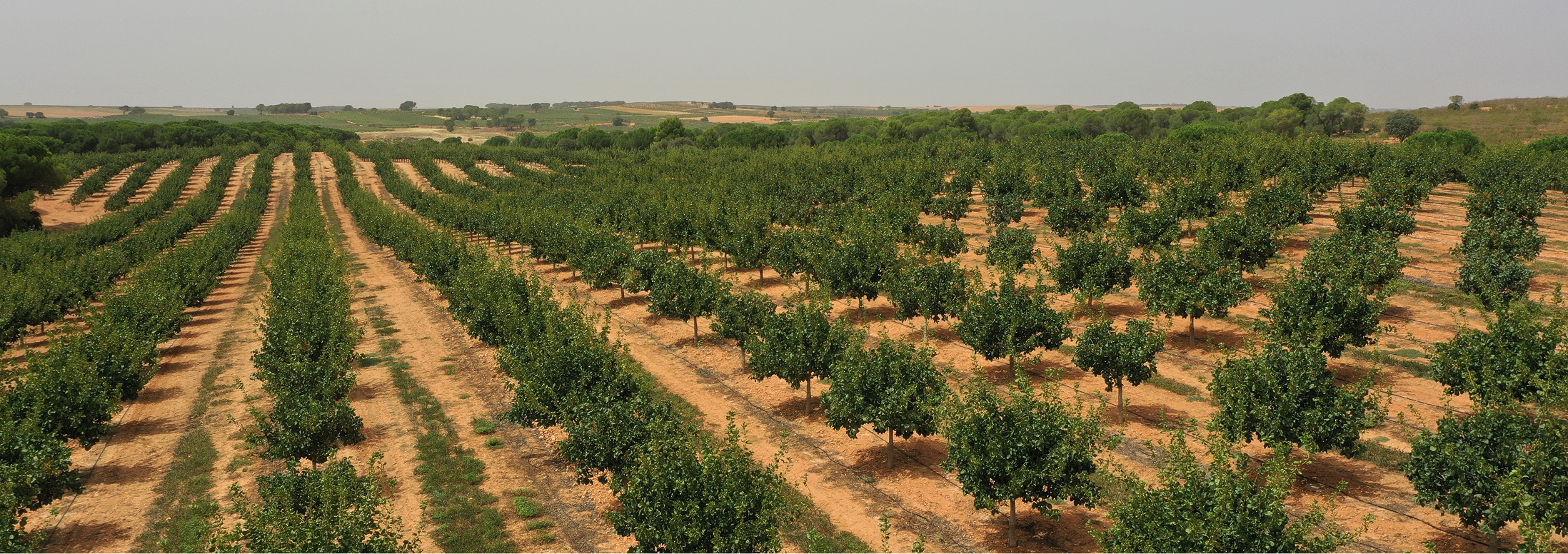
The most common spacing is 7×6 m or 6×5 m, with a density of 230–280 plants per hectare. In irrigated systems, the spacing can be reduced slightly to optimise space. In rainfed systems, it is advisable to leave more space between trees to avoid competition for water and nutrients.
One male tree for every 8 or 10 female trees is recommended, strategically distributed to facilitate wind pollination. Ideally, they should be positioned facing the prevailing spring winds.
During the first few years, it is crucial to install a drip irrigation system capable of applying liquid fertiliser. Fertigation allows nutrients to be adjusted to the plant’s growth, improving root development and reducing water stress.
The site must be levelled and tilled to remove weeds and facilitate root penetration. It is advisable to carry out subsoiling beforehand to improve soil aeration and prevent compacted layers.
Marking out ensures that the planting grid is uniform. The planting holes should measure approximately 40 x 40 x 40 cm and be filled with loose soil mixed with organic matter where possible.
Pistachio plants from a nursery should be planted whilst they are dormant. Position the grafted plant, ensuring that the graft is visible and never buried. It is important to firm the soil around the plant well to remove any air pockets.
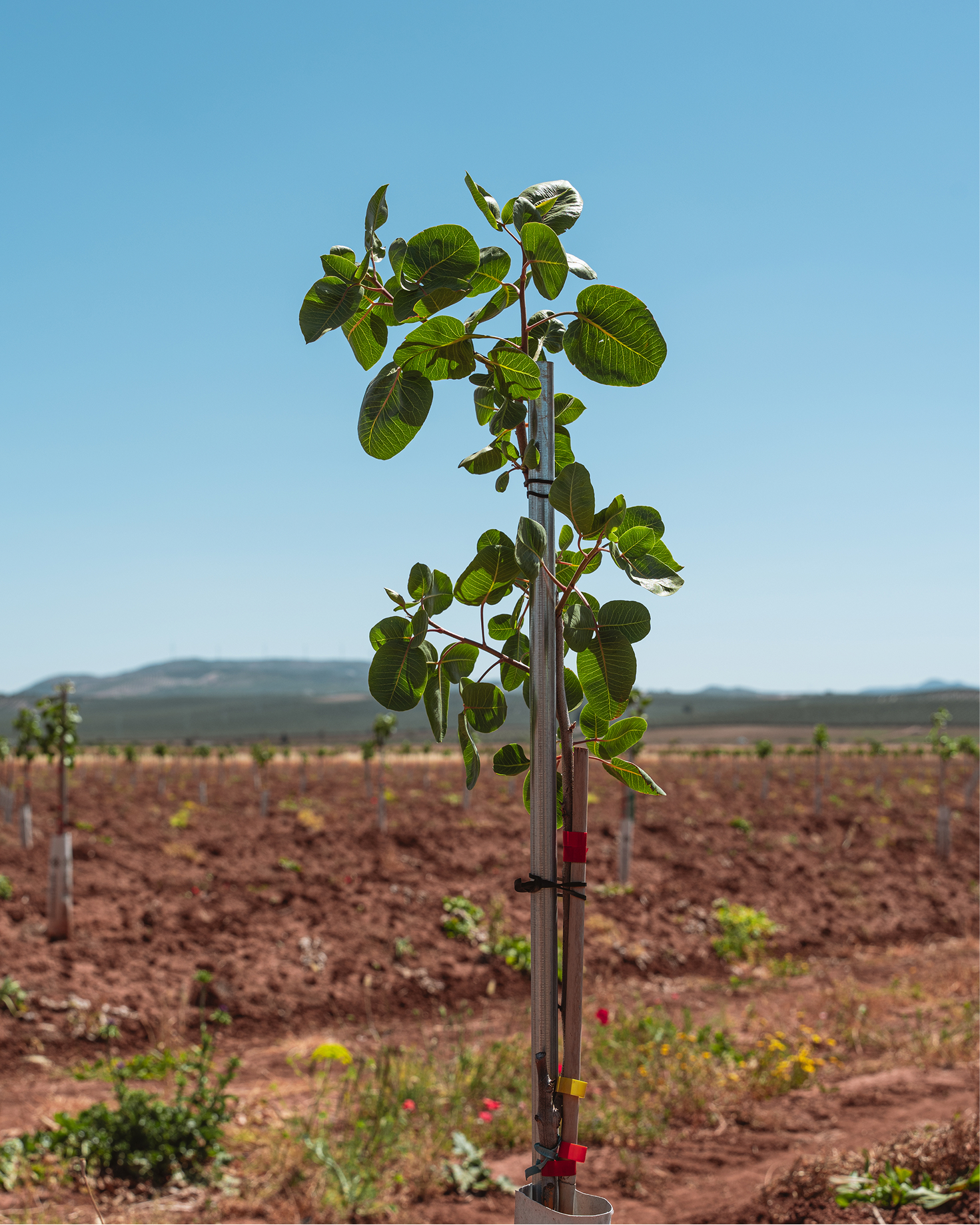
After planting, an establishment watering is carried out to settle the soil and encourage root contact with the soil. The use of plastic or organic mulch helps to conserve moisture and control weeds.
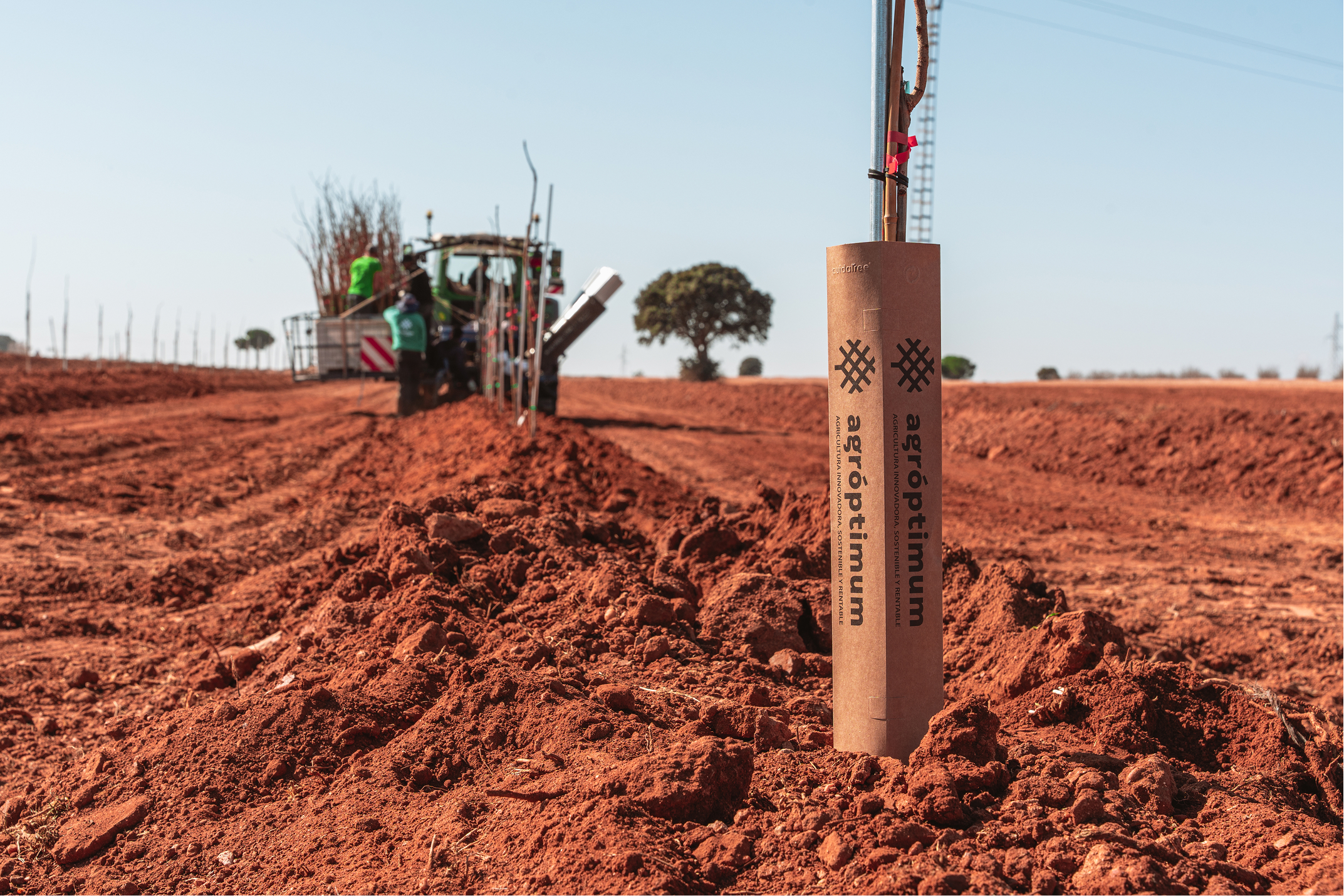
Individual protection using tubes or netting is essential to prevent damage from rabbits or rodents. In cold areas, thermal covers can be used to protect the graft during the first winter.
A week after planting, it is advisable to check all the plants for signs of poor establishment, possible sinking or damage from wildlife. This initial check helps prevent future losses.
The first two years following the planting of a pistachio tree are crucial for the future of the orchard. It is during this period that the plant develops its root system, the graft takes hold and its vegetative structure is established.
A management error at this stage can delay the start of production by several years or jeopardise the crop’s profitability. Therefore, these initial steps must be planned with technical rigour and constant agronomic monitoring.
During the first and second years, the main objective is to train the tree correctly, ensuring a balanced structure that facilitates future production.
The most common training system in Spain is the vase or free-form vase, although modified central-axis systems are also used in intensive or mechanised plantations.
Light pruning, combined with balanced nutrition, will help direct energy towards vegetative growth rather than premature fruiting.
The pistachio tree is a nut tree native to semi-arid regions, but it needs water in its early years to establish itself properly. A common mistake is to believe that it can thrive without irrigation during this initial phase.
The aim is not to make the plant grow quickly, but to promote balanced development, with strong roots and healthy wood. Excess nitrogen can lead to soft growth that is susceptible to pests or frost.
During the early years, managing the tree’s surroundings is just as important as water management or pruning. Weeds, insects and fungi can compete with or seriously weaken the young pistachio tree.
At this stage, constant observation and weekly checks are key. Any yellowing, wilting or slowing of growth must be investigated immediately so that timely action can be taken.
The first year focuses on survival and establishing roots; the second, on consolidating the vegetative structure.
A well-managed plant during these first two years will display:
Only when these criteria are met can the tree be considered ready to move on to its productive stage. In high-quality plantations, the survival rate exceeds 95 per cent thanks to proper agronomic planning and the selection of grafted plants in the nursery, which arrive in the field in optimal conditions for their development.
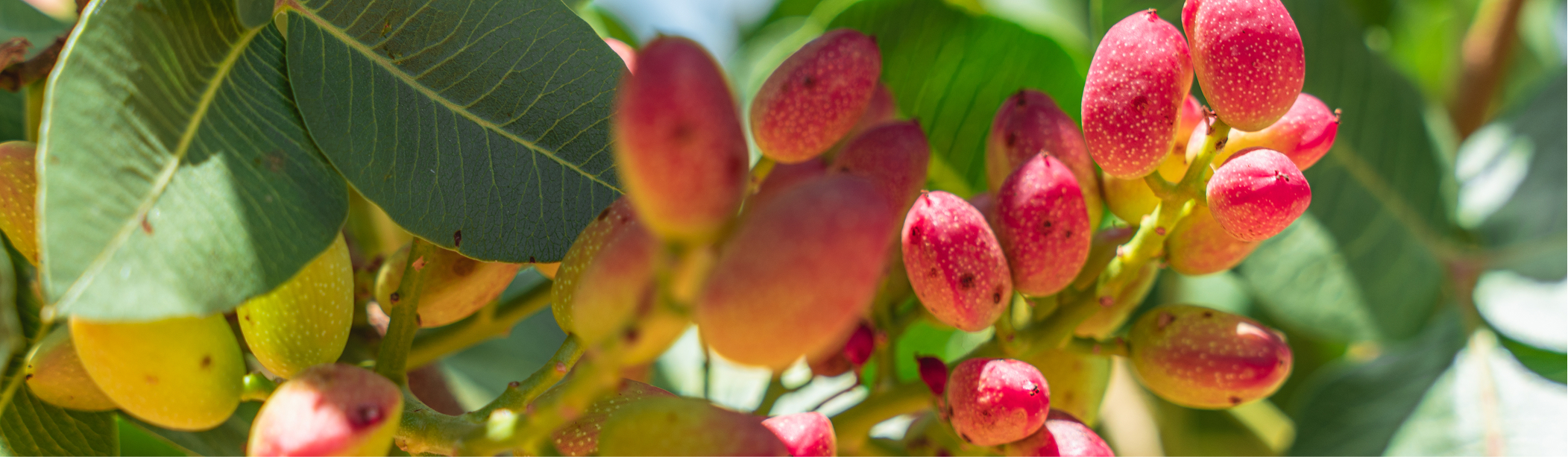
We’ll support you right from the start with certified plants, technical advice and varieties suited to growing conditions in Spain.
Discover our pistachio plants and get your project off to a flying start with the support of industry specialists.
The most recommended time to plant pistachio trees in Spain is during the dormant season, that is, in the middle of winter. Planting whilst the tree is dormant (usually between November and February, depending on the area) reduces transplant stress, minimises the risk of dehydration and facilitates initial root establishment.
By following these guidelines, you will increase the chances of successful root establishment and reduce complications during the first and second years of establishment.
One of the most decisive factors in assessing the profitability of a pistachio plantation is when it comes into production – that is, the point at which the tree begins to produce a commercially significant harvest. This depends on a number of factors: the variety, the rootstock, agronomic management, climatic conditions and the quality of the nursery stock.
Under optimal conditions, a grafted pistachio tree begins to bear its first fruit between 5 and 7 years after planting, although there are notable differences depending on the type of plant material:
The onset of fruit production is closely linked to the balance between vegetative growth and reproductive development.
Some factors that bring it forward or delay it are:
The pistachio tree reaches full production between 10 and 12 years of age, at which point its yield stabilises. From then on, the tree can maintain its maximum potential for several decades, provided that agronomic management is appropriate. In well-managed intensive production systems, yields can reach between 1,000 and 1,500 kg/ha of dried pistachios, depending on the variety and growing conditions.
It is important to understand that the first few years of fruiting (between the fourth and seventh) are characterised by natural alternation: in some years the tree produces more and in others less, until it achieves a balance between vegetative and reproductive growth. This alternation can be reduced by applying balancing pruning techniques and compensated nutrition following years of heavy crop load.
The start of production should not be seen as a point of arrival, but rather as the beginning of the most strategic phase of cultivation. From this point onwards, yield management, fruit quality, and harvest and marketing planning will determine the true return on investment (ROI).
Professional management, supported by a company specialising in agronomic advice and post-harvest processing, can significantly optimise the commercial value of pistachios, reducing losses and improving the quality of the shell and the final nut.
The best regions for growing pistachios are Castilla-La Mancha, Aragón, Andalucía, Extremadura and some parts of Castilla y León, where the climatic conditions and temperatures are favourable.
Approximately 10% of the trees should be male. Distributing them correctly ensures good pollination and prevents losses in production
It will depend on the planting pattern chosen, but generally between 6x3 and 7x6 metres. In irrigated areas, you can opt for a higher planting density to optimise yield per hectare.
No, but it is recommended. The crop can be grown without irrigation, but yields are lower. Drip irrigation improves growth, fruit quality and overall profitability.
It depends on the soil, moisture levels and climate. UCB#1 is the most versatile and is recommended for its hardiness and vigour, particularly in modern orchards.
Planting pistachios in Spain offers a genuine opportunity for agricultural diversification with high added value. However, it requires technical expertise, the correct choice of rootstock, careful irrigation planning and professional monitoring. Investing in pistachio cultivation means investing in a crop with a promising future – one that is sustainable, profitable and well-suited to the conditions in our country.
With specialist advice and sound management from the nursery right through to harvest, success is within reach for those seeking a solid project in the agricultural sector.

14.10.2026
9.10.2026
7.10.2026
1.07.2026