23.07.2025
The pistachio tree
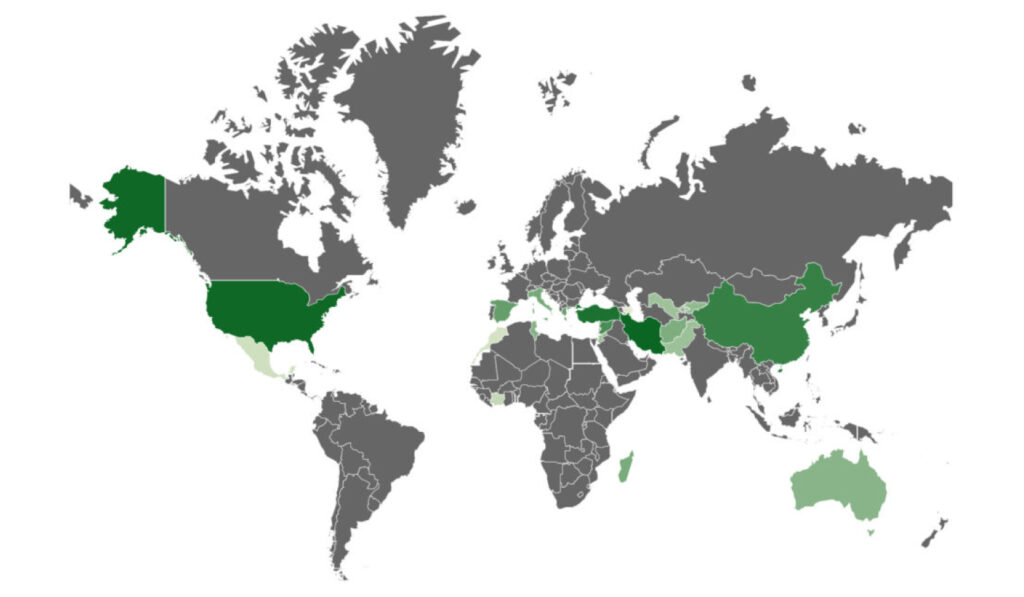
The origin of the pistachio tree dates back over 3,000 years in regions of Western Asia, particularly in areas that today belong to Iran, Turkey, Afghanistan, and part of China. This pistachio tree has been cultivated by ancient Persian, Greek, and Roman civilizations, valued both for its dry fruit and its medicinal and symbolic properties.
For centuries, the pistachio tree — also known as alfonsigo — has been considered a symbol of fertility and wealth. Its cultivation then spread throughout the Mediterranean, reaching Spain, where it is currently experiencing a boom due to its excellent adaptation to the climate and the growing demand for pistachios in Spain.
Western Asia, the origin of the pistachio plant.
The pistachio tree belongs to the Anacardiaceae family, genus Pistacia, and its scientific name is Pistacia Vera. It is a deciduous species that can reach between 5 and 10 meters in height, and has a great capacity to adapt to adverse edaphoclimatic conditions.
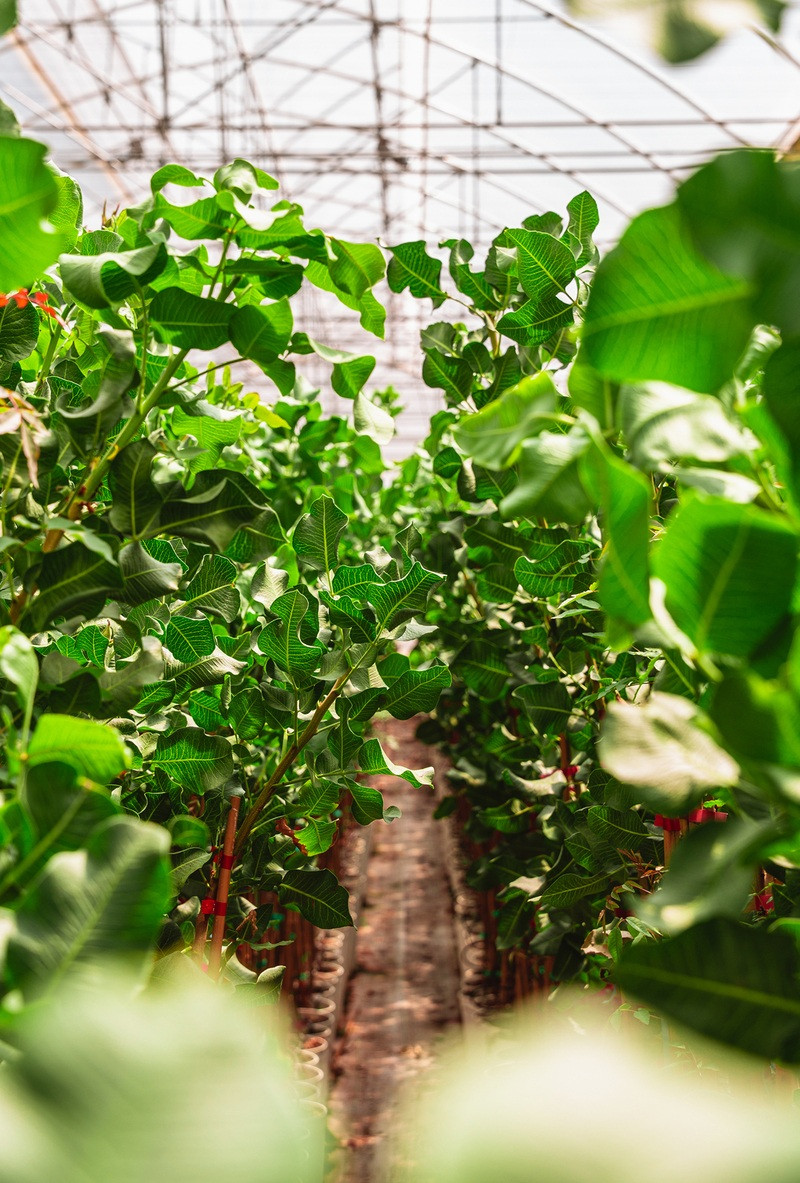
The pistachio tree is slow-growing and medium-sized, able to reach a height of up to 10 meters. In its early years, it appears as a small tree or a plant with controlled development. Its root system is deep, allowing it to tolerate dry summers. The trunk is rough, with grayish bark that cracks with age. Its leaves are compound, deciduous, appearing in groups of 3 to 5 oval leaflets, dark green in color. Male and female flowers appear in separate inflorescences, as the tree is dioecious.
During flowering, male flowers produce pollen, while female flowers, if fertilized, generate the pistachio, a greenish fruit with a hard shell that splits open when ripe. The ripening occurs during the warm months.
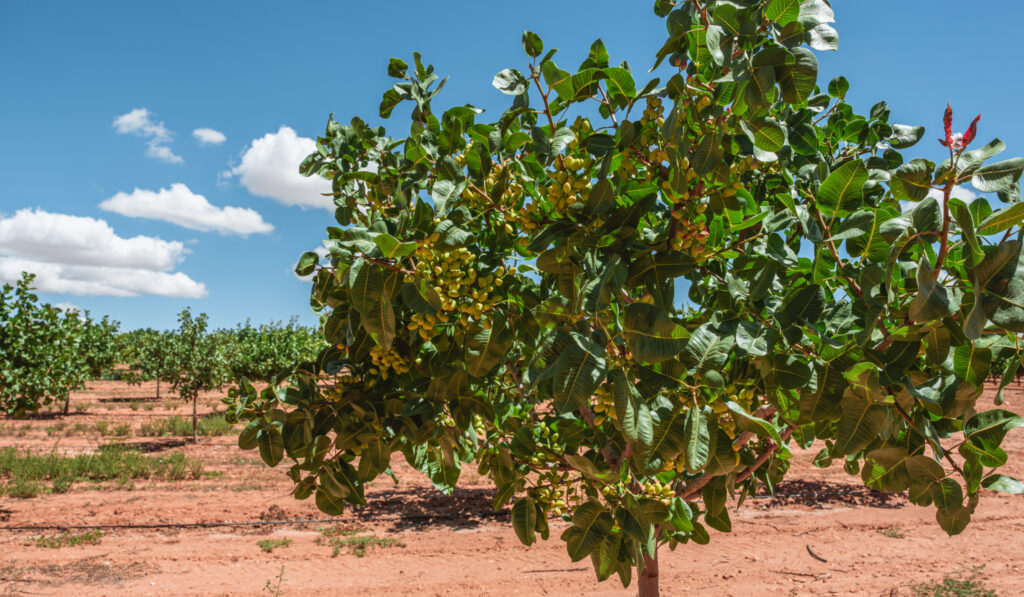
Female pistachio tree.
The male pistachio tree produces only staminate flowers, while the female develops flowers that bear fruit after pollination. For good pistachio production, an appropriate ratio between both in the planting is essential.
The pistachio tree can exceed 300 years of life if in suitable conditions. However, its economic yield begins at 7-8 years of age. Its cycle is slow: it enters dormancy in winter and sprouts in spring, with the ripening and harvesting of the fruits occurring in late summer or early autumn.
The pistachio tree requires cold winters to complete its vegetative rest (at least 800 hours of cold) and long, hot summers for good ripening. It withstands extreme temperatures, both cold and hot, but requires a marked seasonality. It does not tolerate excessive humidity well.
The soil must be deep, well-drained, sandy or sandy-loam, with a slightly alkaline pH. It tolerates poor soils but not waterlogging, as it affects the root system.
Although it is drought-resistant, the pistachio tree responds favorably to controlled irrigation, especially during critical stages of flowering, growth, and fruit swelling. Excess water can harm its quality and promote fungal diseases.
The planting of the pistachio tree requires considering several fundamental factors that condition its long-term success. This dry fruit needs an environment with cold winters, hot summers, and well-drained soils. Additionally, choosing the right plant material and planning the design of the planting are key steps to ensure good yield.
Some important points to consider are:
These conditions ensure good growth and a more balanced entry into production, favoring the quality of the obtained pistachios.
An adult pistachio tree requires annual tasks such as training and cleaning pruning, weed control, monitoring for pests and diseases, and applying balanced fertilization programs. Irrigation should be adjusted to the annual climate and the phenological cycle.
Want to buy pistachio plants?
 Wood: used in carpentry and decorative objects
Landscaping: the pistachio tree is valued in gardening and environmental recovery projects for its resistance to adverse conditions.
Erosion control: its deep roots help stabilize the soil in degraded areas.
Resins: some species of Pistacia, such as the Alfonsigo, produce aromatic resins with applications in perfumery and pharmacy.
It is distinguished by its flowers: males have flowers grouped without ovaries, while female flowers are small and develop the fruit. The sex is only visible when the tree begins its reproductive phase.

1.07.2026
18.05.2026
17.05.2026
11.05.2026