23.07.2025
Precision agriculture
Precision agriculture represents a revolution in the agri-food sector, integrating new technologies to optimize the management of crops and resources. This approach allows farmers to make more informed decisions, increasing the efficiency and sustainability of their farms.
Precision agriculture is a technique that uses new technologies to monitor and manage variabilities in agricultural fields. Through the collection and analysis of detailed data on soil, climate, and crops, specific treatments can be applied at the right place and time, optimizing resource use and improving agricultural production efficiency (Óscar González (2024) Precision agriculture: the era of agri-food success).
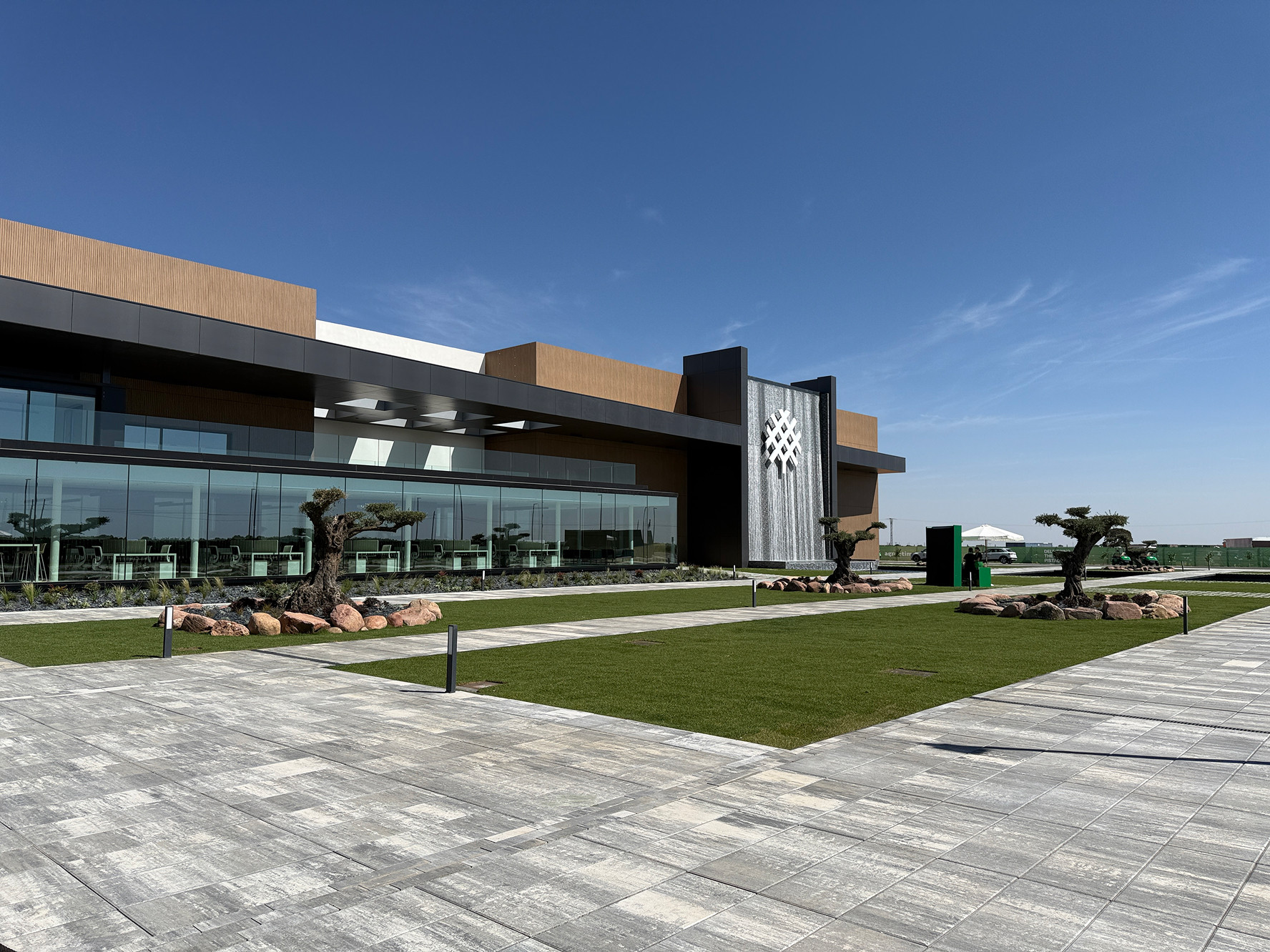
Agróptimum, leaders in precision agriculture
The effective implementation of precision agriculture is based on various innovative tools:
Sensors collect real-time data on variables such as soil moisture, temperature, and crop growth. This information allows for adjustments to agricultural practices to meet the specific needs of each plot. (AgroTech Campus (2024) Precision agriculture in 3 steps)

Sensors for precision agriculture
Geographic information systems integrate and analyze geospatial data, facilitating the visualization and management of information related to topography, land use, and other environmental factors. This helps to identify patterns and make location-based decisions. (Agrotendencia (2023) Precision agriculture: Implementation challenges)
Autonomous agricultural machinery, such as tractors and drones, perform tasks like planting, irrigation, and harvesting with minimal human intervention. These vehicles enhance the precision and efficiency of agricultural operations. (Pippo Ardillas (2024) Smart agriculture: technology, advantages, and challenges)
Artificial intelligence processes large volumes of data to identify patterns and predict events such as disease outbreaks or irrigation needs. By providing data-driven recommendations, artificial intelligence improves decision-making in agricultural management.
The adoption of precision agriculture offers multiple benefits:
By using detailed data on soil, climate, and crops, farmers can optimize the use of resources such as water, nutrients, and pesticides. This leads to more abundant and higher-quality harvests. (GoDron (2024) Precision Agriculture: how to Optimize Production)
The precise application of inputs decreases waste and reduces operating expenses, improving the profitability of agricultural operations.
By minimizing the excessive use of fertilizers and pesticides, precision agriculture reduces soil and water pollution, promoting more sustainable agricultural practices and reducing environmental impact. (University of Palermo (2009) Precision agriculture)
The efficient management of natural resources contributes to the long-term sustainability of agricultural production, ensuring the availability of fertile land for future generations.
Do you want to buy pistachio plants?
Various practices illustrate how precision agriculture is applied in the field:
Using soil moisture sensors and climate data, the exact amount of water needed in different areas of the field is determined. This optimizes resource use and improves crop health. (University of Palermo (2009) Precision agriculture)
The detailed analysis of soil composition allows for differentiated fertilizer application, addressing the specific needs of each zone. This practice improves nutrient use efficiency and reduces environmental impact.
The combination of sensors and predictive models based on artificial intelligence facilitates the early detection of pests and diseases. This allows for precise and timely interventions, decreasing the need for pesticides and preserving ecosystem health. (Edgar Llop, (2020) Precision agriculture, key technologies for achieving more sustainable agriculture)
Despite its numerous benefits, precision agriculture faces significant challenges:

Management and monitoring in agriculture
As technology advances and becomes more accessible, it is expected that precision agriculture will be more widely integrated into agricultural practices, contributing to more efficient and sustainable production.
Precision agriculture stands as an innovative solution to face the contemporary challenges of the agricultural sector.
By incorporating new technologies, it allows for more efficient resource management, increases productivity, and promotes environmental sustainability.
However, for widespread adoption, it is essential to overcome obstacles related to costs, training, and infrastructure. The future of agricultural production will largely depend on the ability to effectively integrate these tools, thus ensuring food security and the conservation of natural resources for future generations.

14.10.2026

9.10.2026

7.10.2026
1.07.2026