Logo
The Iberian pistachio

The Iberian pistachio

23.07.2025

The Iberian pistachioThe Iberian pistachioThe pistachio, known for its distinctive flavor and nutritional benefits, has emerged as a high-value crop in Spain. The term "Iberian Pistachio" refers to varieties cultivated in the Iberian Peninsula, adapted to local conditions and recognized for their superior quality.What is the Iberian Pistachio?The Iberian pistachio...

The Iberian pistachio

The Iberian pistachio

The pistachio, known for its distinctive flavor and nutritional benefits, has emerged as a high-value crop in Spain. The term "Iberian Pistachio" refers to varieties cultivated in the Iberian Peninsula, adapted to local conditions and recognized for their superior quality.

What is the Iberian Pistachio?

The Iberian pistachio refers to those grown in the Iberian Peninsula. The characteristics of this region of the world give distinctive traits to the flavor of the fruits, making them more valued.

Geographic Origin

The pistachio (Pistacia Vera) is native to Asia Minor, a region that encompasses areas of Iran, Pakistan, Palestine, Israel, and parts of Turkey. Its cultivation has spread over millennia due to its ability to adapt to arid climates and rocky soils.

Characteristics of the Iberian Pistachio


The Iberian Pistachio has adapted to the climatic and edaphic conditions of the Iberian Peninsula, developing specific characteristics that differentiate it from pistachios grown in other parts of the world. Below, we analyze its main attributes and the most representative varieties.


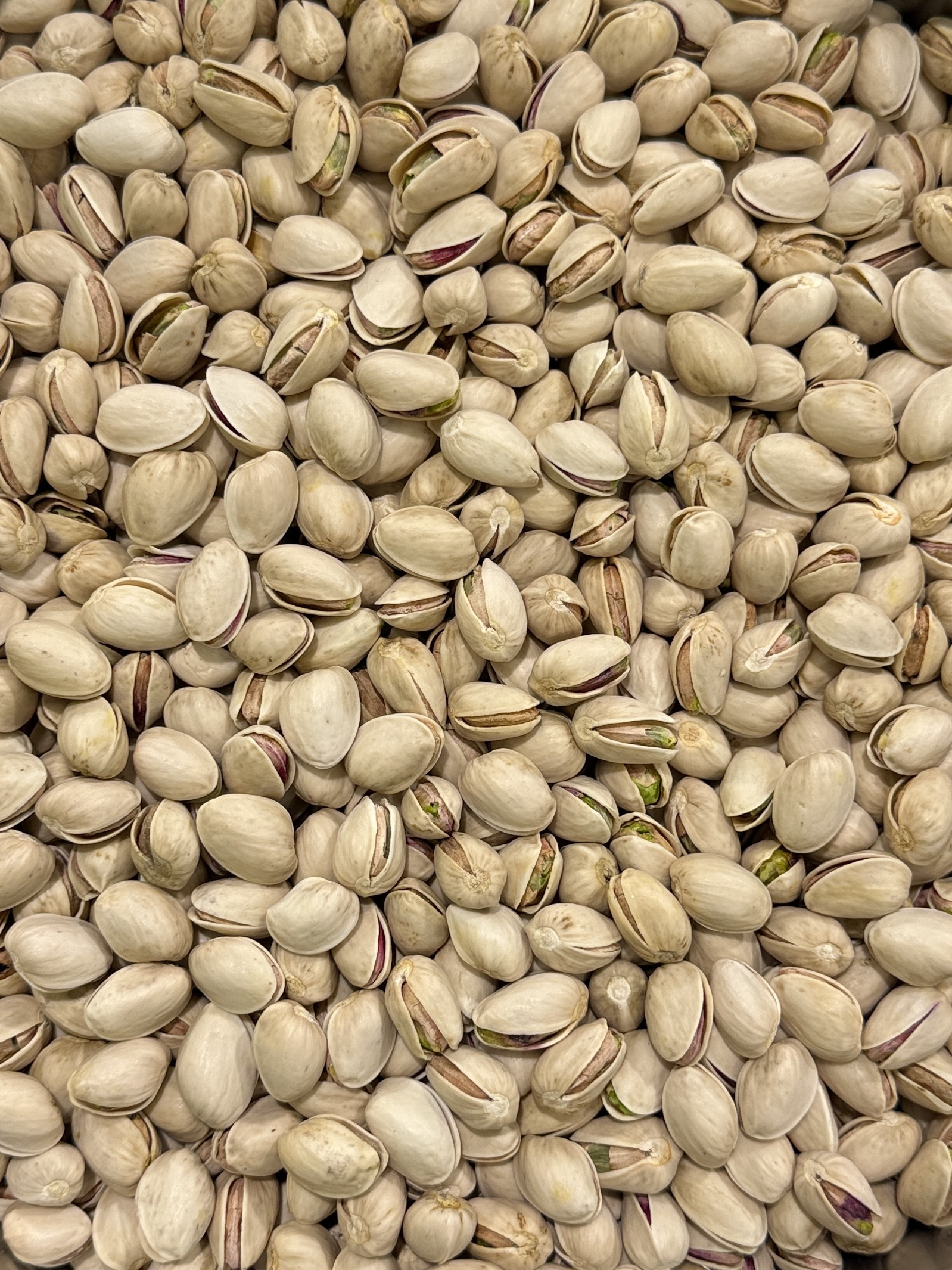
  • Fruit quality: The pistachio grown in Spain is characterized by its intense green color, a higher proportion of open fruits, and a more pronounced flavor due to climatic conditions.
  • Drought resistance: The selected varieties in Spain exhibit a high tolerance to water scarcity, making them ideal for dryland cultivation or deficit irrigation.
  • Fruit size: Depending on the variety, the Iberian pistachio can range from medium to large size, with a hard but easy-to-open shell.
  • Aroma and flavor: It is distinguished by its unique organoleptic profile, with a sweeter taste and buttery texture, resulting from the dry and sunny climate in which it develops.
  • Longevity and production: The pistachio tree is long-lived, capable of producing fruits for more than 50 years under suitable conditions. However, its full production occurs between 7 and 10 years after planting.


the iberian pistachio

Quality of the Iberian pistachio

Most Cultivated Varieties in Spain

Kerman


  • It is the most widely cultivated variety worldwide and one of the most popular in Spain.
  • It produces large, rounded fruits, with a very white and easy-to-open shell. Additionally, it has an excellent flavor as it contains a higher amount of sugars than other varieties.
  • It needs more chilling hours in winter, so it adapts better to regions with cold winters.
  • It is primarily grown in Castilla-La Mancha and Aragón.


Larnaka


  • It is a variety native to Cyprus that adapts perfectly to the Spanish climate. It is usually cultivated in the south of the peninsula as it does not require very cold winters to be productive.
  • It produces medium-sized fruits with high commercial appeal in the industry, as its kernel has a very intense green color.
  • It is a variety very resistant to water shortages, making it ideal for dryland. However, it reaches its maximum productivity under irrigation.
  • Its maturation and entry into production are earlier than that of "Kerman".


Sirora


  • It is a variety designed for the Australian climate that adapts perfectly to the climate of the peninsula. It is a very interesting variety as it requires less cold than Kerman but withstands frosts better than Larnaka.
  • It produces slightly smaller fruits than Kerman but with excellent yield in the shell. Unlike Kerman, Larnaka rarely presents empty or closed pistachios.
  • It is a variety recommended for regions with moderately cold winters, where there is some risk of spring frosts.


The specific characteristics of these varieties adapt perfectly to the different climatic regions of the peninsula. This is why they are the most popular.


Differences Between the Iberian Pistachio and Other Pistachios


The main difference between the Iberian Pistachio and other pistachios lies in the climatic and edaphic conditions of the Iberian Peninsula, which influence its organoleptic profile.


The varieties cultivated in Spain are very similar to those grown in other countries. However, factors such as altitude, the length of winters, and the large number of sunlight hours in the Iberian Peninsula condition its flavor and differentiate it from other international fruits.


Cultivation of the Iberian Pistachio

Climatic Conditions

The pistachio tree requires specific climatic conditions for its optimal development: hot summers with temperatures above 30°C for the proper ripening of the fruit, cold winters with between 800 and 1,000 chilling hours (temperatures below 7°C), and low humidity to prevent fungal diseases (Ferguson, L. et al. (2005)).


Edaphic Conditions

The pistachio tree prefers well-drained soils of medium to light texture to avoid waterlogging and root diseases. A neutral or slightly alkaline pH (between 7 and 8) is optimal for nutrient absorption. Additionally, richness in organic matter improves soil structure and naturally provides nutrients (Ferguson, L. et al. (2005)).


Planting Process

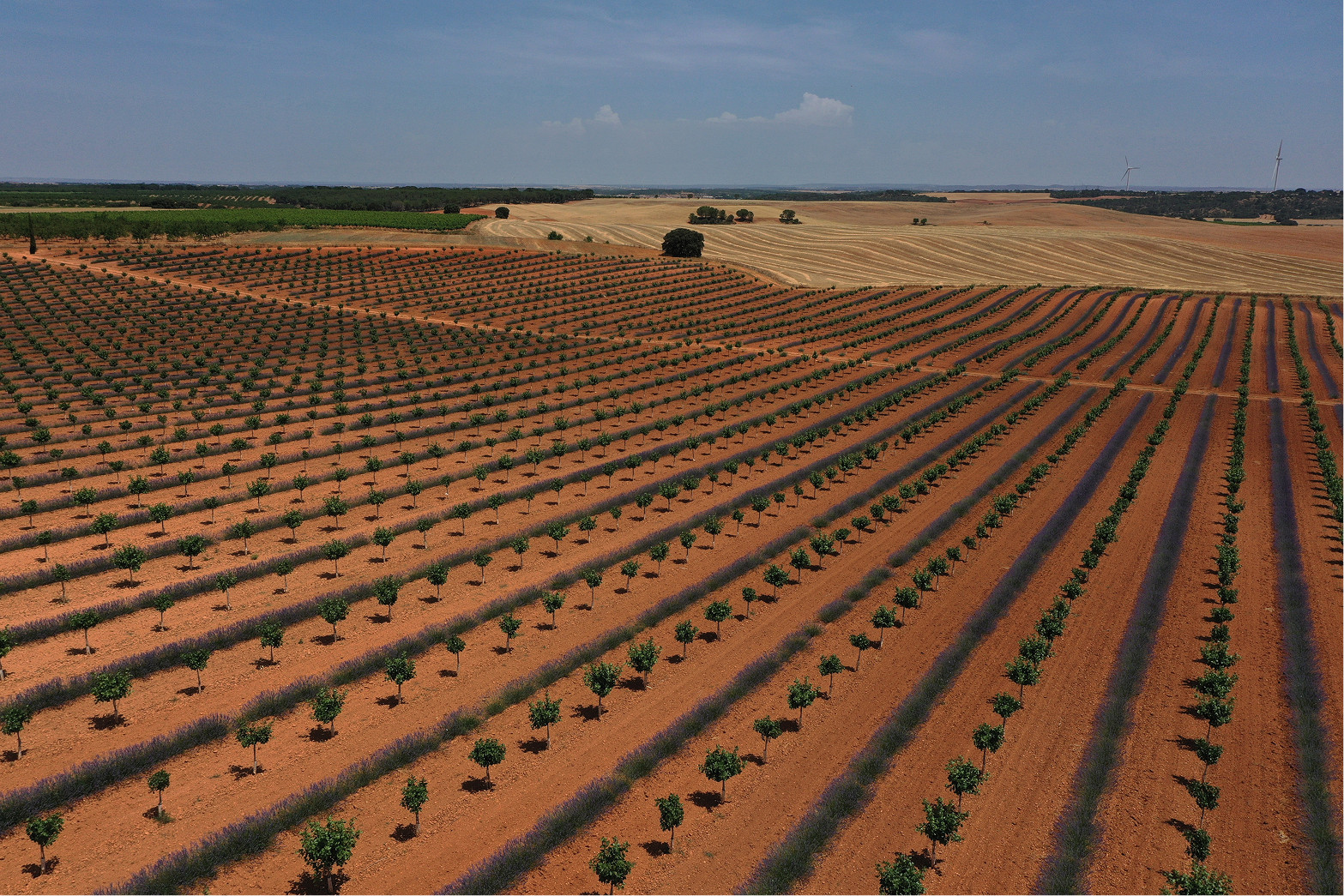
The planting of the Iberian pistachio must be carried out in areas with suitable climatic and edaphic conditions. It is essential to analyze the soil and climate before planting to ensure the success of the crop.


Watering and Pruning Care


The pistachio tree is a rustic tree that withstands extreme temperatures both hot (up to 50°C) and cold (up to -30°C). During ripening (June to August), it needs a lot of heat and a dry environment to avoid diseases. It requires cold in winter to ensure proper flowering and pollination. Frosts are not a limiting factor for this crop as it blooms late, in April or May (Ferguson, L. et al. (2005)).


  • Watering: In dryland, it survives with 300-500 mm of annual precipitation; under irrigation, it optimizes its production with 3,000-5,000 m³/ha.
  • Pruning: It is carried out in winter to shape and stimulate production.


pistachio pruning

Pruning the pistachio, a key step for its proper growth.

Sustainable and Ecological Cultivation Techniques

The organic cultivation of pistachio emphasizes practices that respect ecological balance and local conditions. This includes the use of means derived from organic production and adaptation to the developmental phases of the crop.


Harvest and Processing

Optimal Harvest Time

The pistachio tree flowers late, in April or May, and requires a lot of heat and a dry environment during ripening from June to August. The harvest takes place when the fruits reach their optimal maturity, usually in late summer or early autumn.


All about Spanish pistachios in 10 minutes

All about Spanish pistachios in 10 minutes

24.02.2026

The Spanish pistachioAll about the Spanish pistachio in 10 minutesJoin us in this 10-minute read...
Discover everything about pistachio pruning in 15 minutes!

Discover everything about pistachio pruning in 15 minutes!

24.02.2026

The pruning of pistachios. Discover everything about pistachio pruning in 15 minutes!In this article, we...
The flowering of the pistachio

The flowering of the pistachio

9.01.2026

The flowering of pistachio in 15 minutesWe all know that plants use their flowers to...
The soil in pistachio cultivation

The soil in pistachio cultivation

7.01.2026

The soil in pistachio cultivation.After the climate, soil is the second most important element when...

Agróptimum Headquarters

Camino de las Casas de Sta. Cruz, nave 2.

16230 Villanueva de la Jara, Cuenca - España